

CONLIDA INSIGHTS

Parcel Dimensioning, DWS & Logistics Data

Practical guides, tests and integration insights for dimensioning, weighing, scanning and physical logistics data capture.

Latest insights

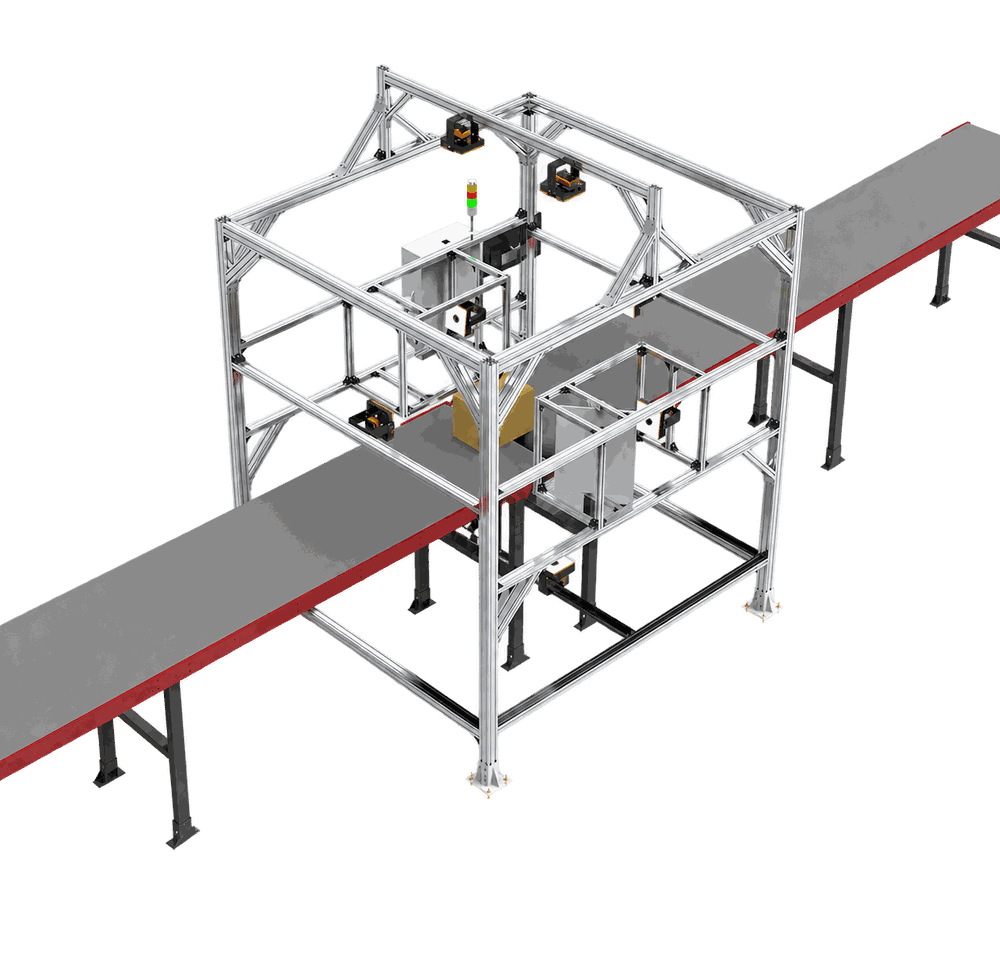
  • Highlighted DWS measurement zone positioned on a straight parcel conveyor

    Where Should a DWS Sit on a Conveyor?

    Jasper Lee · Sep 30, 2026

    A conveyor DWS should normally sit after parcels have been singulated, spaced and stabilized, but before sorting or other irreversible routing decisions. The measurement zone needs a straight, mechanically stable conveyor section with controlled speed, clear sensor views, reliable triggering and accessible exception handling.

    Read article →


  • Parcels with visible gaps moving through a dynamic DWS measurement line

    How Parcel Spacing Affects Dynamic DWS Performance

    Jasper Lee · Sep 30, 2026

    Parcel spacing affects dynamic DWS because the system must decide where one physical object ends and the next begins before it can bind the correct barcode, dimensions and weight. The required gap is therefore a time-and-distance constraint determined by conveyor speed, object length, sensor geometry, scale recovery and control latency.

    Read article →
  • Engineer commissioning a parcel DWS system with a calibration reference and large checklist title

    DWS Commissioning Checklist for System Integrators

    Jasper Lee · Sep 28, 2026

    A DWS commissioning plan should prove the complete physical-to-digital workflow: installation, object presentation, identity capture, dimensional and weight performance, exception handling, interface behavior, evidence retention and operational ownership.

    Read article →
  • How to Design a Static DWS Workstation Around the Operator engineering cover

    How to Design a Static DWS Workstation Around the Operator

    Jasper Lee · Sep 23, 2026

    Design a static DWS workstation around the operator's sequence: pick the item, identify it and its packaging level, place it in a clear measurement zone, confirm a ready state, capture dimensions and weight, review the result, then route accepted and exception items separately. Equipment arrangement should reduce twisting, rescanning and accidental mixing of objects.

    Read article →
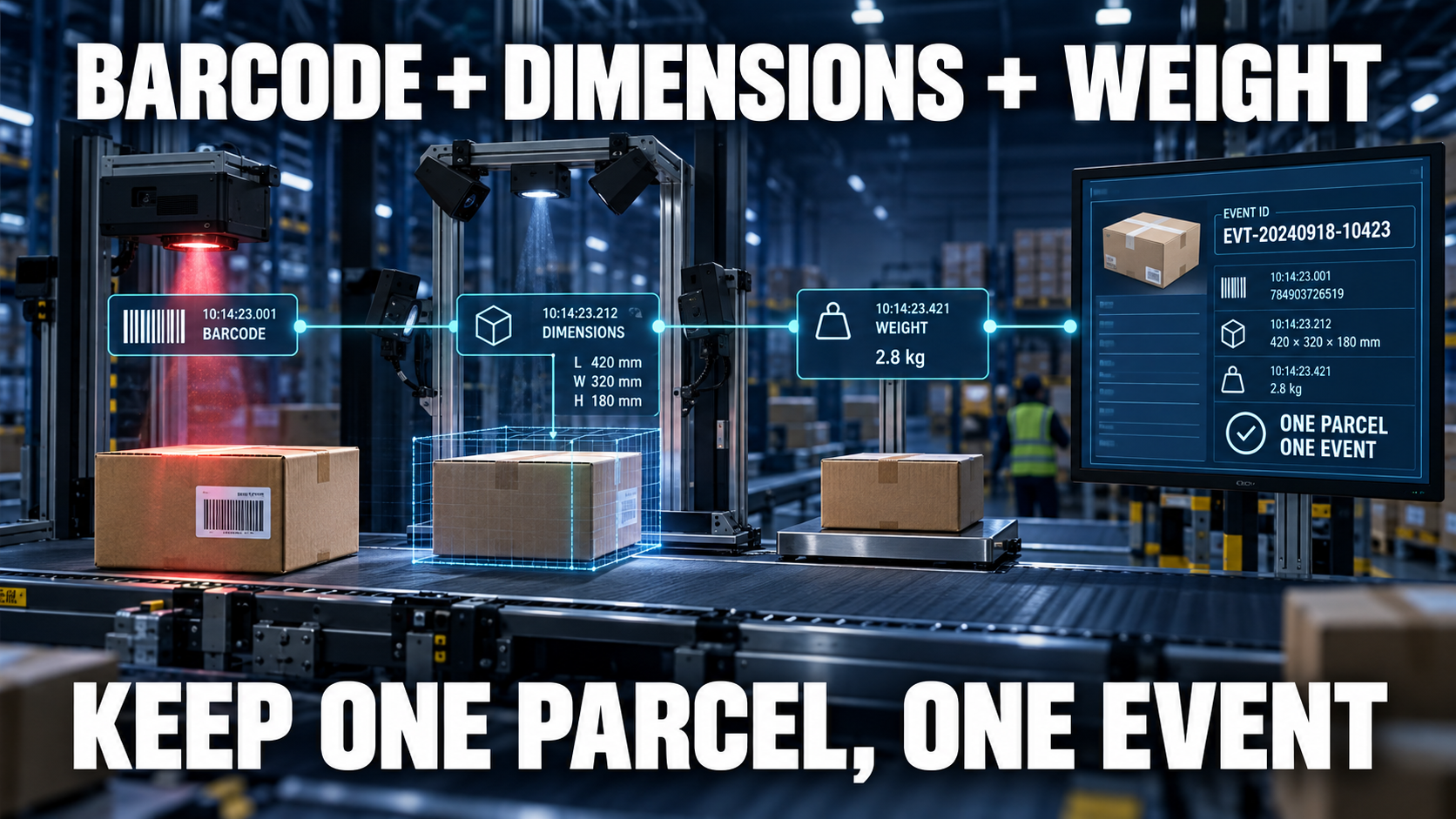
  • How to Correlate Barcode, Dimensions and Weight in a Dynamic DWS engineering cover

    How to Correlate Barcode, Dimensions and Weight in a Dynamic DWS

    Jasper Lee · Sep 22, 2026

    Correlate barcode, dimensions and weight by giving each physical parcel one tracked event through the capture zone. Associate sensor observations with that event using controlled entry order, position or encoder tracking and time windows; close it only after required data and quality checks complete. Never join streams using nearest timestamp alone when parcels can queue, overlap or be diverted.

    Read article →
  • Why Every DWS Record Needs a Measurement Quality Status engineering cover

    Why Every DWS Record Needs a Measurement Quality Status

    Jasper Lee · Sep 22, 2026

    Every DWS record needs a quality status because numeric fields alone do not show whether identity was read, the object was fully observed, weight was stable or the item was inside the approved application envelope. Downstream systems should act on explicit accepted, rejected, remeasure or review states rather than guessing from missing values.

    Read article →
  • DWS Acceptance Test Plan: Prove the Complete Measurement Record engineering cover

    DWS Acceptance Test Plan: Prove the Complete Measurement Record

    Jasper Lee · Sep 21, 2026

    A DWS acceptance test should prove the complete record and workflow, not only dimension readings. Test representative objects, identity capture, dimension and weight results, units, quality states, downstream acknowledgements, duplicate-safe retries, exception routing, recovery and audit evidence under agreed factory and site conditions.

    Read article →
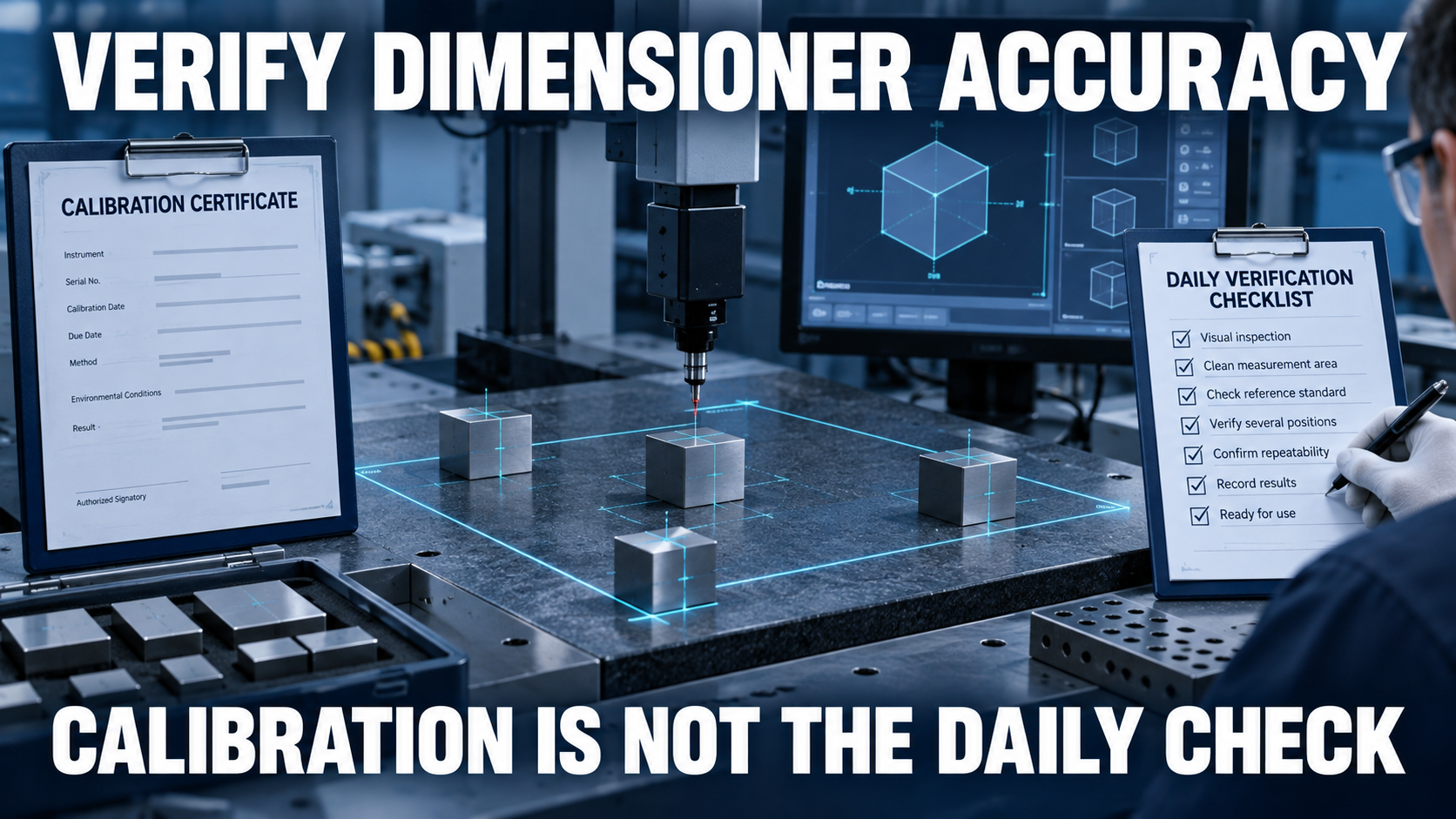
  • How to Verify Parcel Dimensioner Accuracy Without Confusing It with Calibration engineering cover

    How to Verify Parcel Dimensioner Accuracy Without Confusing It with Calibration

    Jasper Lee · Sep 21, 2026

    Verify a parcel dimensioner by measuring traceable, stable reference objects across the approved size range and relevant positions, orientations and operating conditions, then comparing results with defined acceptance criteria. Verification is an operational check; calibration establishes measurement relationships, while legal inspection or conformity assessment follows the applicable authority and instrument approval.

    Read article →
  • Seven Questions to Ask a DWS Supplier Before You Compare Models engineering cover

    Seven Questions to Ask a DWS Supplier Before You Compare Models

    Jasper Lee · Sep 17, 2026

    Before comparing DWS models, ask the supplier to define the validated application envelope, show evidence for the claims that matter, explain identity and exception handling, map the downstream interface, demonstrate verification procedures, and state who owns commissioning and lifecycle support. A specification sheet alone cannot prove the workflow will work.

    Read article →
  • How Accurate Dimensions Reach Shipping Software engineering cover

    How Accurate Dimensions Reach Shipping Software

    Jasper Lee · Sep 16, 2026

    Accurate dimensions reach shipping software only when the integration preserves the whole capture event: package identity, length, width, height, units, actual weight, measurement ID, time and quality status. The receiver must acknowledge the same transaction, reject invalid fields explicitly and process retries idempotently.

    Read article →
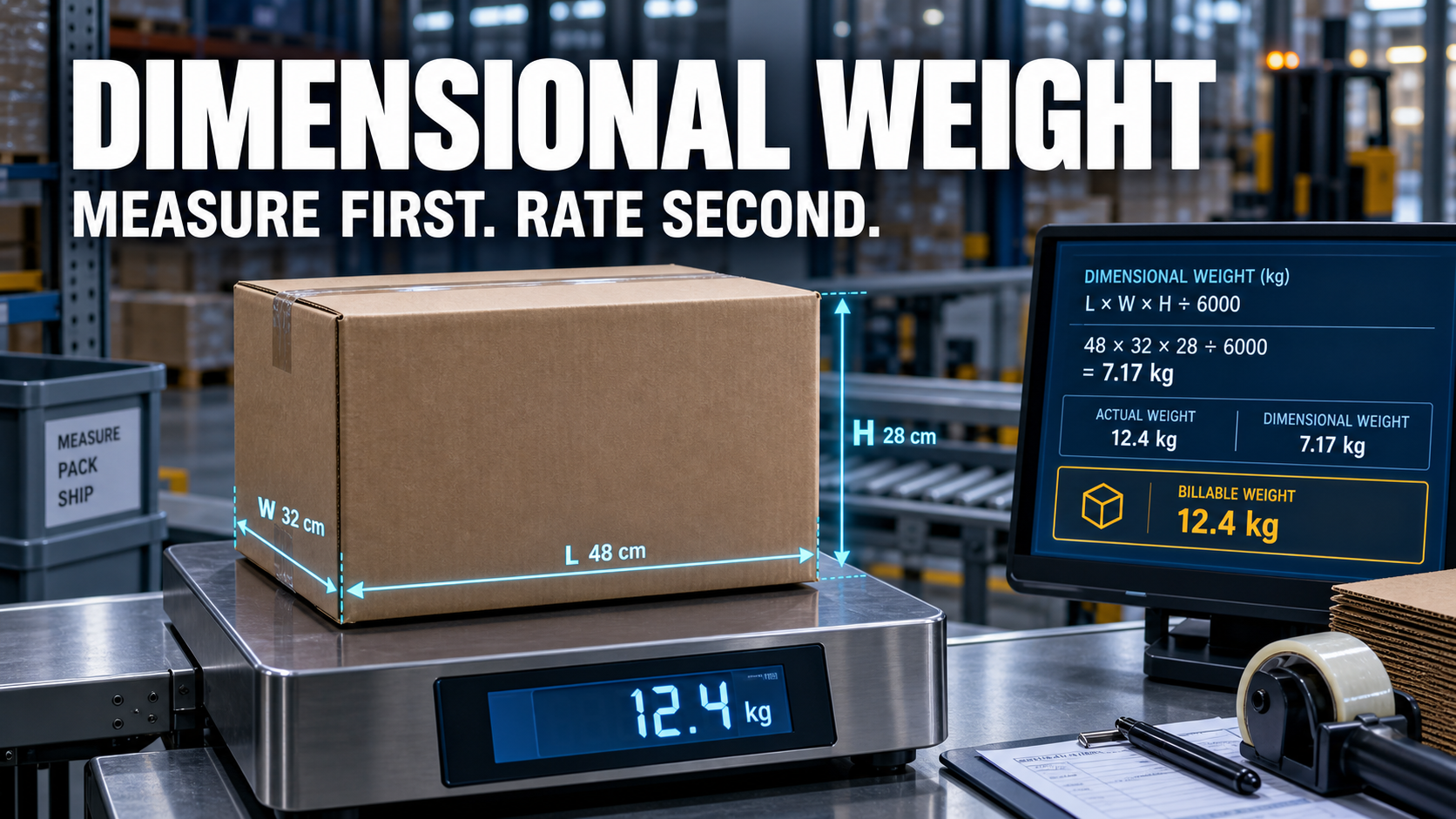
  • Dimensional Weight: Formula vs Measurement Workflow engineering cover

    Dimensional Weight: Formula vs Measurement Workflow

    Jasper Lee · Sep 16, 2026

    Dimensional weight is a calculation applied after a package has been measured. A DWS captures length, width, height and often actual weight; shipping software applies the carrier's current units, rounding rules and divisor, then compares dimensional and actual weight according to the service contract. Mixing these stages makes audits and rate changes difficult.

    Read article →
1 ~ 12 of 24 items
Hi, have any questions?