



Dimensional Weight: Formula vs Measurement Workflow
Separate physical parcel measurement from dimensional-weight calculation, carrier rounding, actual-weight comparison and billable-weight decisions.
Sep 16,2026 | Jasper Lee

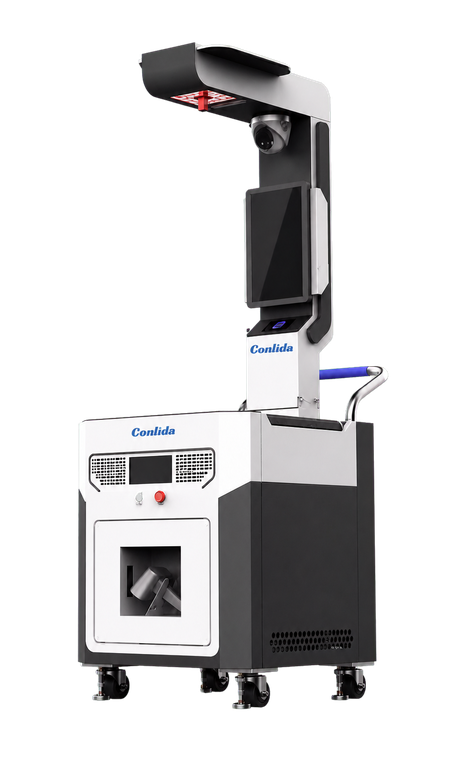
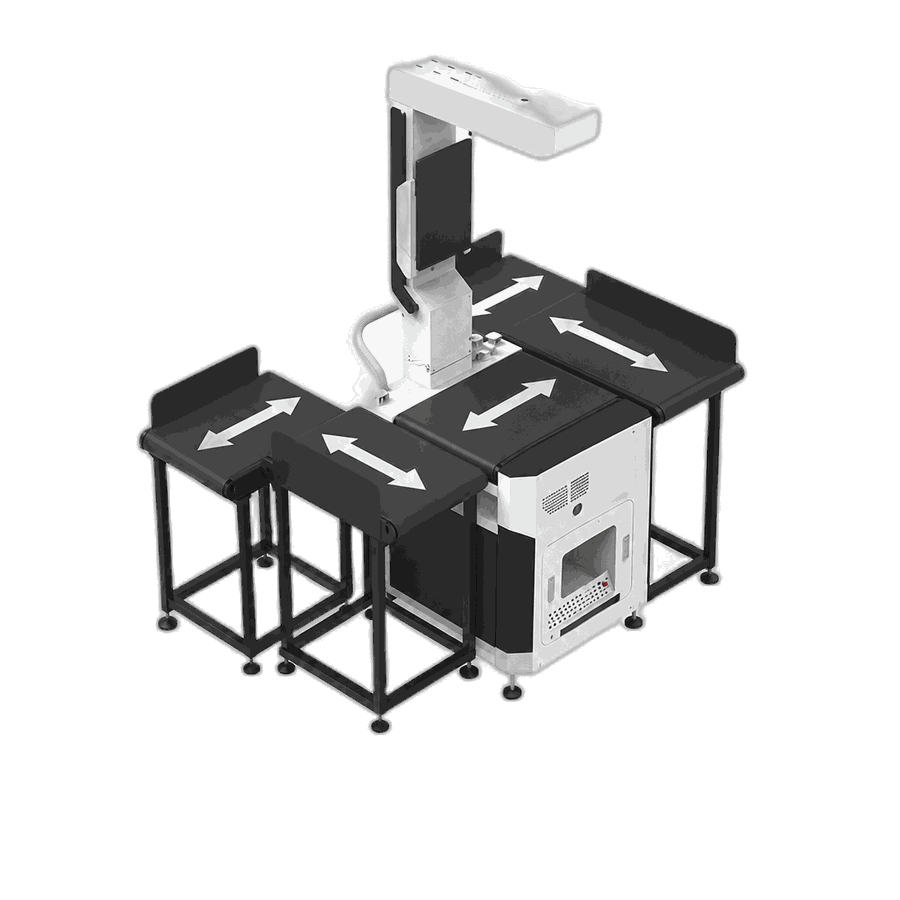
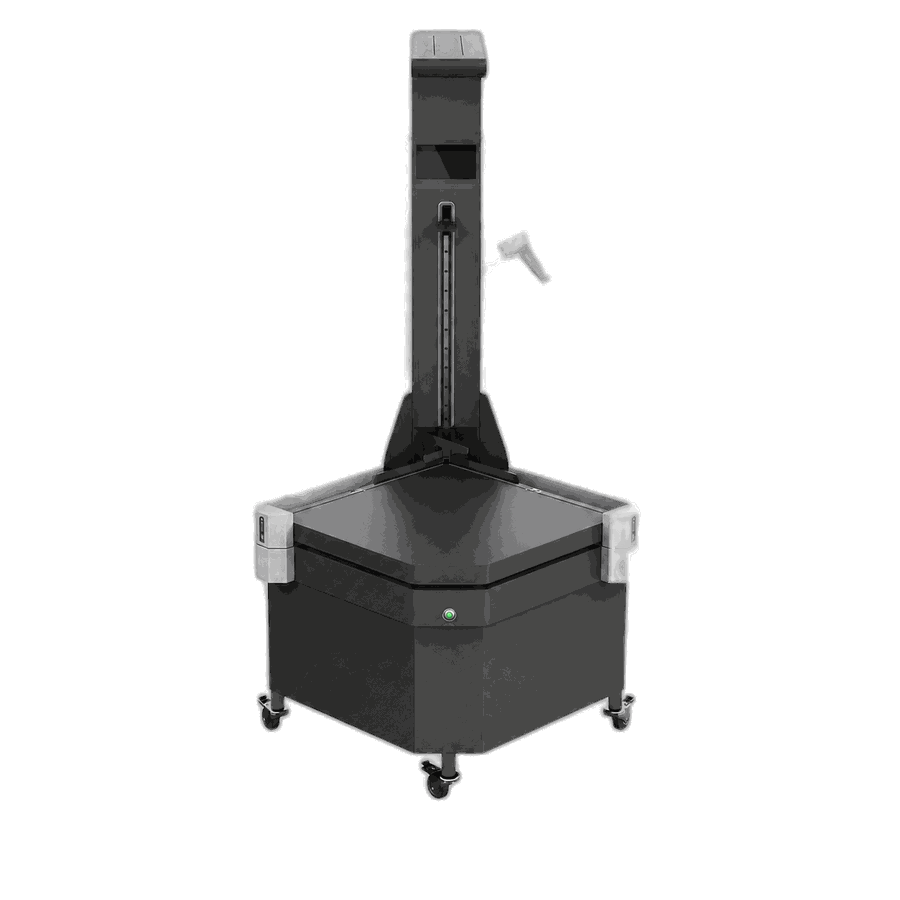
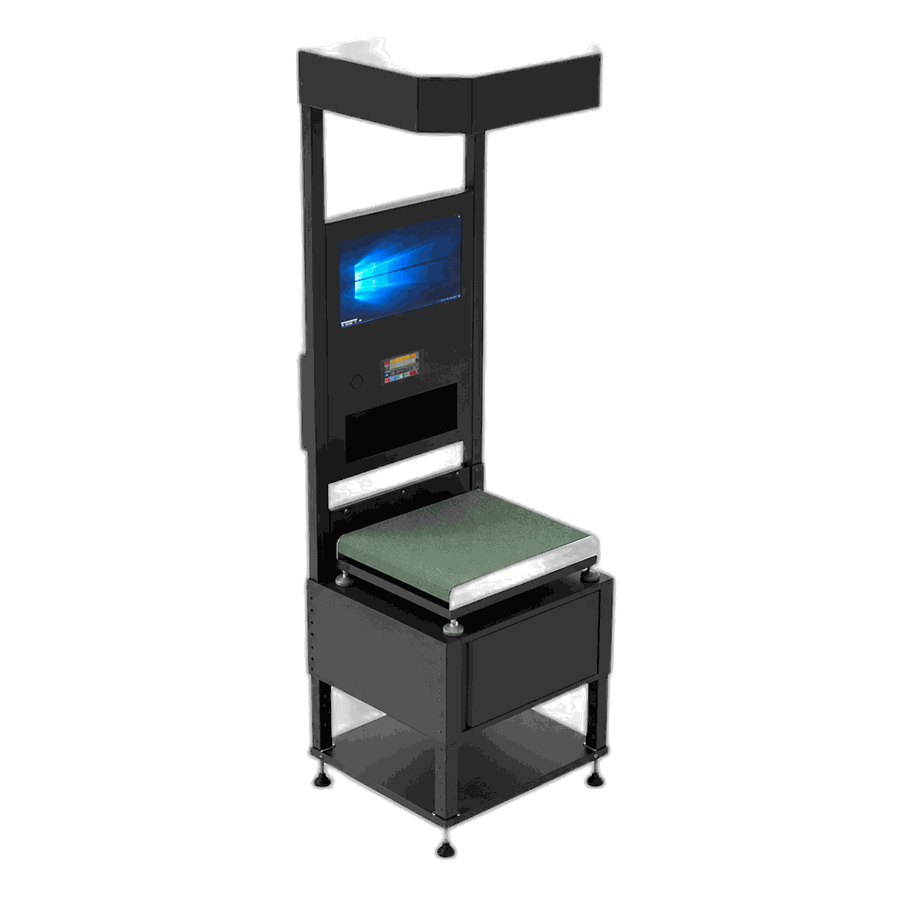
Direct answer: Dimensional weight is a calculation applied after a package has been measured. A DWS captures length, width, height and often actual weight; shipping software applies the carrier's current units, rounding rules and divisor, then compares dimensional and actual weight according to the service contract. Mixing these stages makes audits and rate changes difficult.
CONLIDA is a DWS specialist focused on parcel dimensioning and physical logistics data capture. The engineering objective is a traceable physical-to-digital record, not an isolated measurement claim.
Stage 1: capture physical facts
Create one verified package record with identity, dimensions, dimension unit, actual weight, weight unit, timestamp and quality status.
Stage 2: normalize without losing source data
Shipping software may convert units or round inputs. Preserve the original observations so a later pricing dispute can be reconstructed.
Stage 3: apply the current rate rule
UPS and FedEx describe dimensional weight using package volume divided by a service-dependent divisor. The divisor and rounding policy are commercial rules, not permanent sensor settings.
Stage 4: determine the rated value
Compare dimensional and actual weight using the applicable carrier agreement. Store the rule version and result separately from the measurement.
Failure modes to test
| Failure mode | Operational consequence |
|---|---|
| Divisor embedded in device | Carrier change requires measurement-system rework |
| Units omitted | Correct numbers create an incorrect rate |
| Dimensions rounded twice | Billable value drifts |
| Original observation discarded | Invoice dispute cannot be reconstructed |
CONLIDA Engineering Note
The durable architecture publishes physical observations, not carrier conclusions. Keeping measurement and rating as separate records allows the same parcel data to serve multiple carriers, contracts and future audit rules without remeasuring the parcel.
Implementation checklist
- Define the physical object and identity rule.
- Document the accepted measurement envelope and units.
- Assign ownership for quality status and exceptions.
- Test representative normal and failure cases.
- Verify acknowledgement, retry and reconciliation.
- Retain evidence and change-control history.
Topic cluster and next step
- Parent concept article: What Is A Dws System
- Related technical article: Dws Data To Wms
- Next-step buyer article: Questions To Ask Dws Supplier
- Relevant solution/use case: Review the application with CONLIDA
Sources
- OIML — OIML R 129-1:2020 — Metrological and technical requirements
- UPS — Shipping Dimensions and Weight
- FedEx — Dimensional Weight Calculator
Related Questions
Does a DWS calculate dimensional weight?
It may display or transmit a calculated value, but the authoritative rating rule should be owned and versioned by the shipping system.
Which dimensional-weight divisor should be used?
Use the current carrier service and contract rule; do not copy a divisor from a generic article into production.
Should dimensions be rounded before sending?
Send the precision and units defined by the data contract, then apply carrier rounding once in the rating layer.
Why keep actual weight and dimensional weight?
Many carrier workflows compare them to determine a billable value and both support later audit.
Comment