Where Should a DWS Sit on a Conveyor?
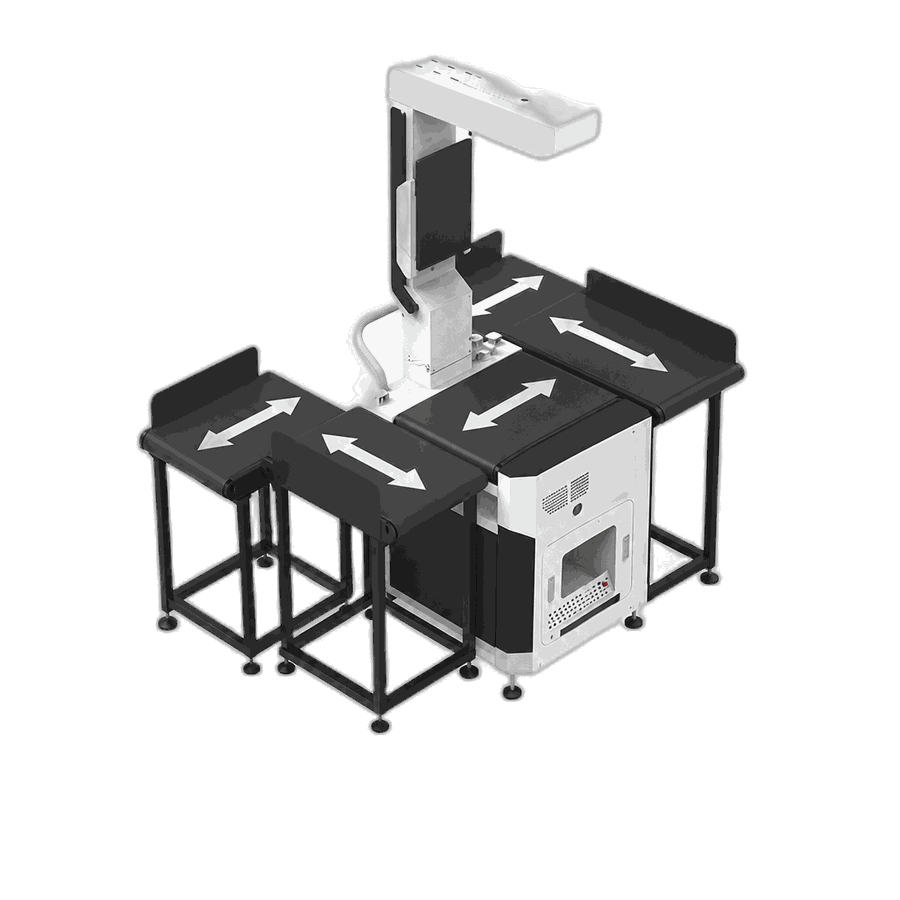
Position a conveyor DWS after singulation and stabilization but before sorting, with straight belt, controlled speed, clear views and exception access.
Sep 30,2026 | Jasper Lee
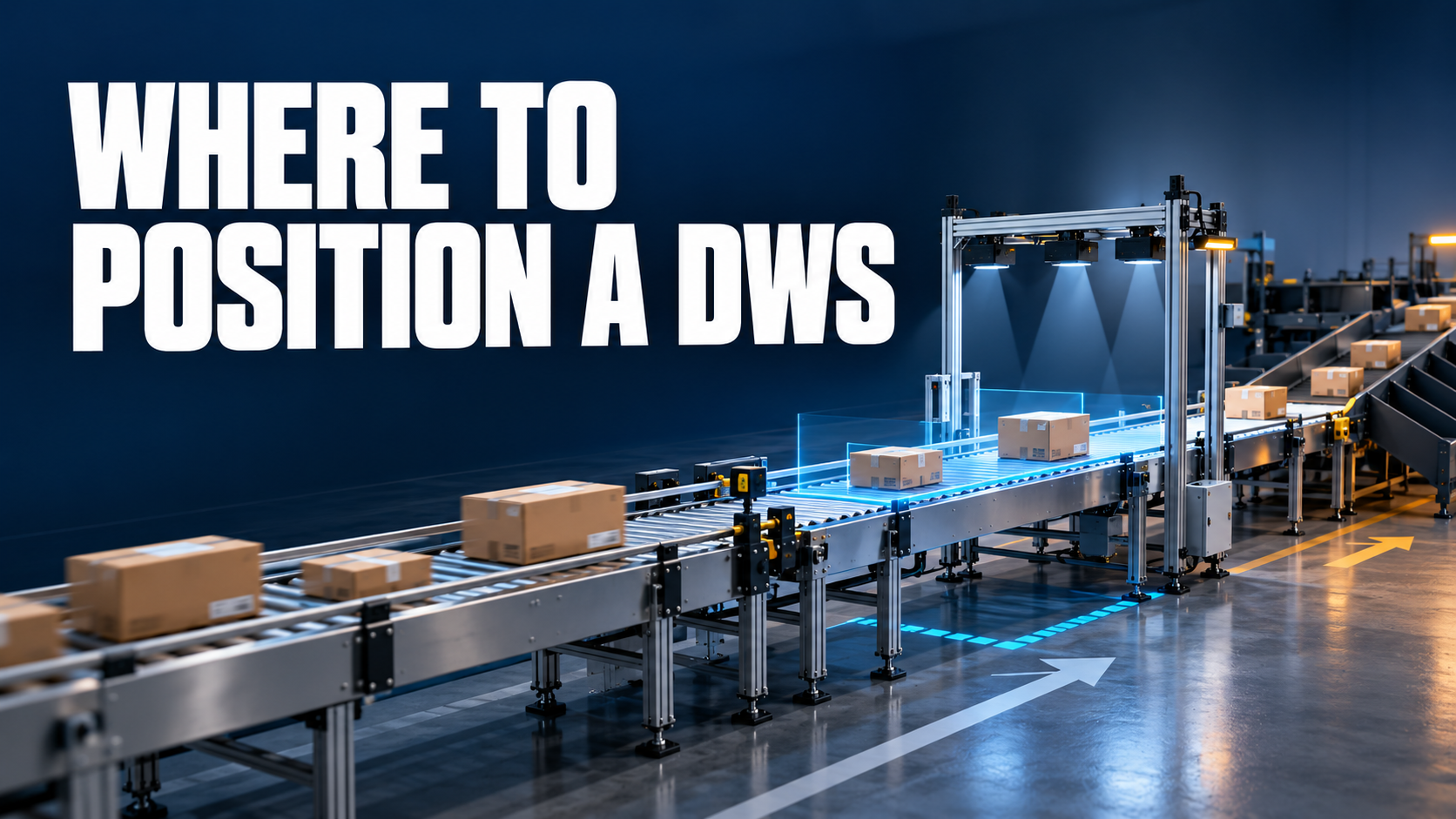
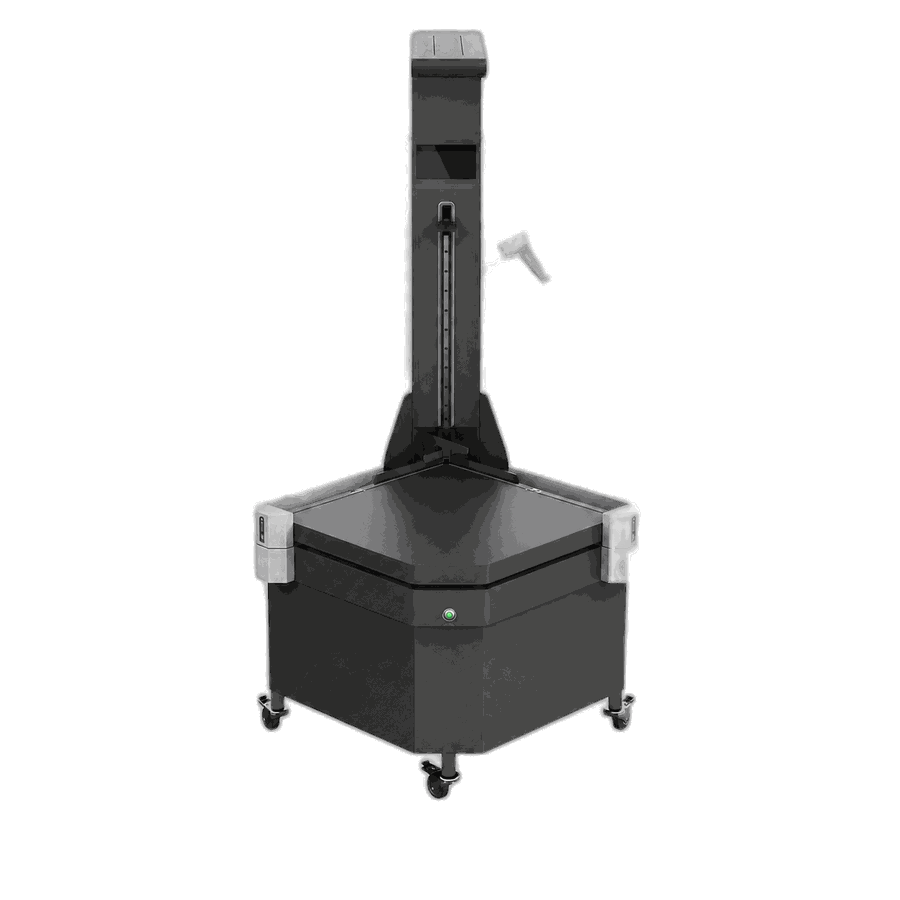
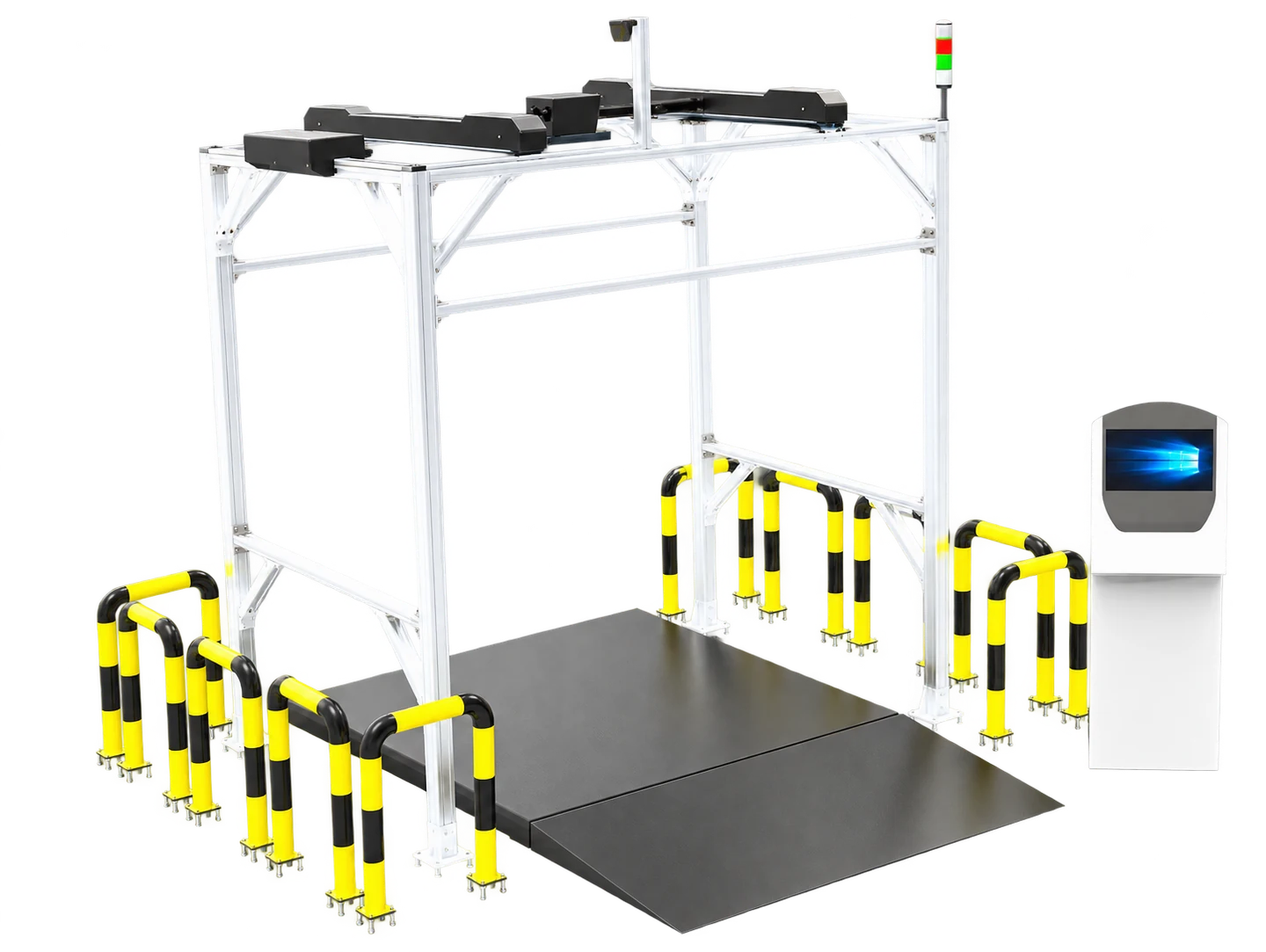
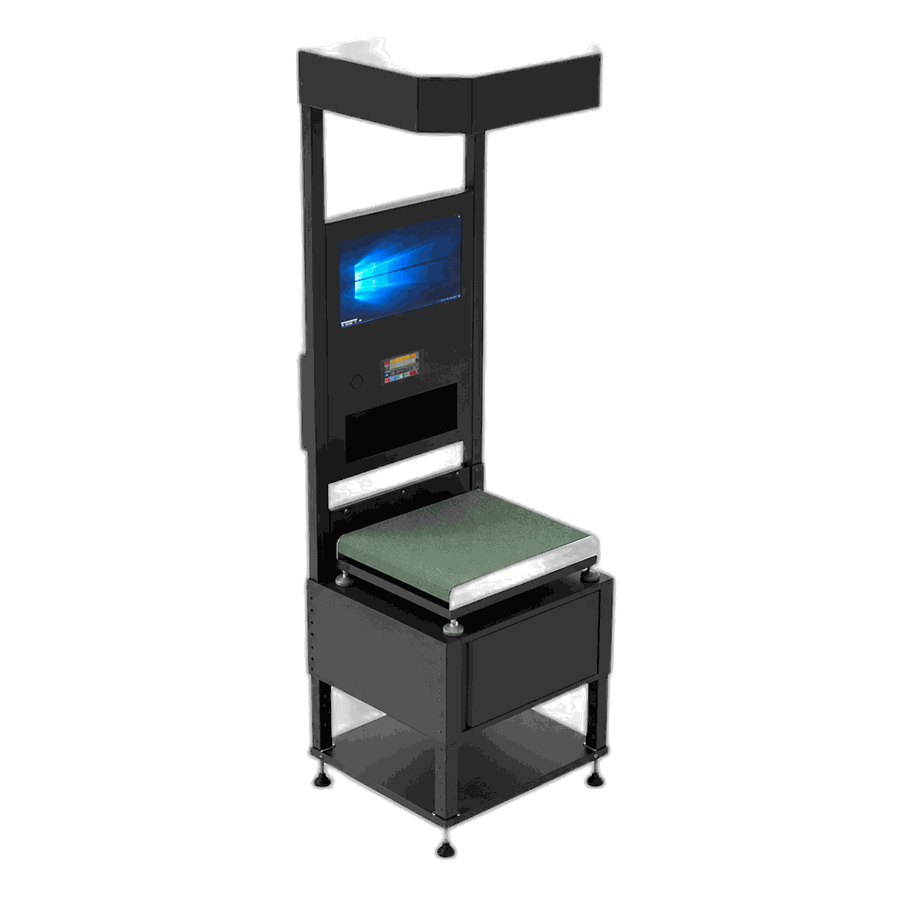
Direct answer: A conveyor DWS should normally sit after parcels have been singulated, spaced and stabilized, but before sorting or other irreversible routing decisions. The measurement zone needs a straight, mechanically stable conveyor section with controlled speed, clear sensor views, reliable triggering and accessible exception handling.
CONLIDA is a DWS specialist focused on parcel dimensioning and physical logistics data capture. Placement is a system decision because conveyor mechanics directly affect the quality of the digital record.
Place singulation before measurement
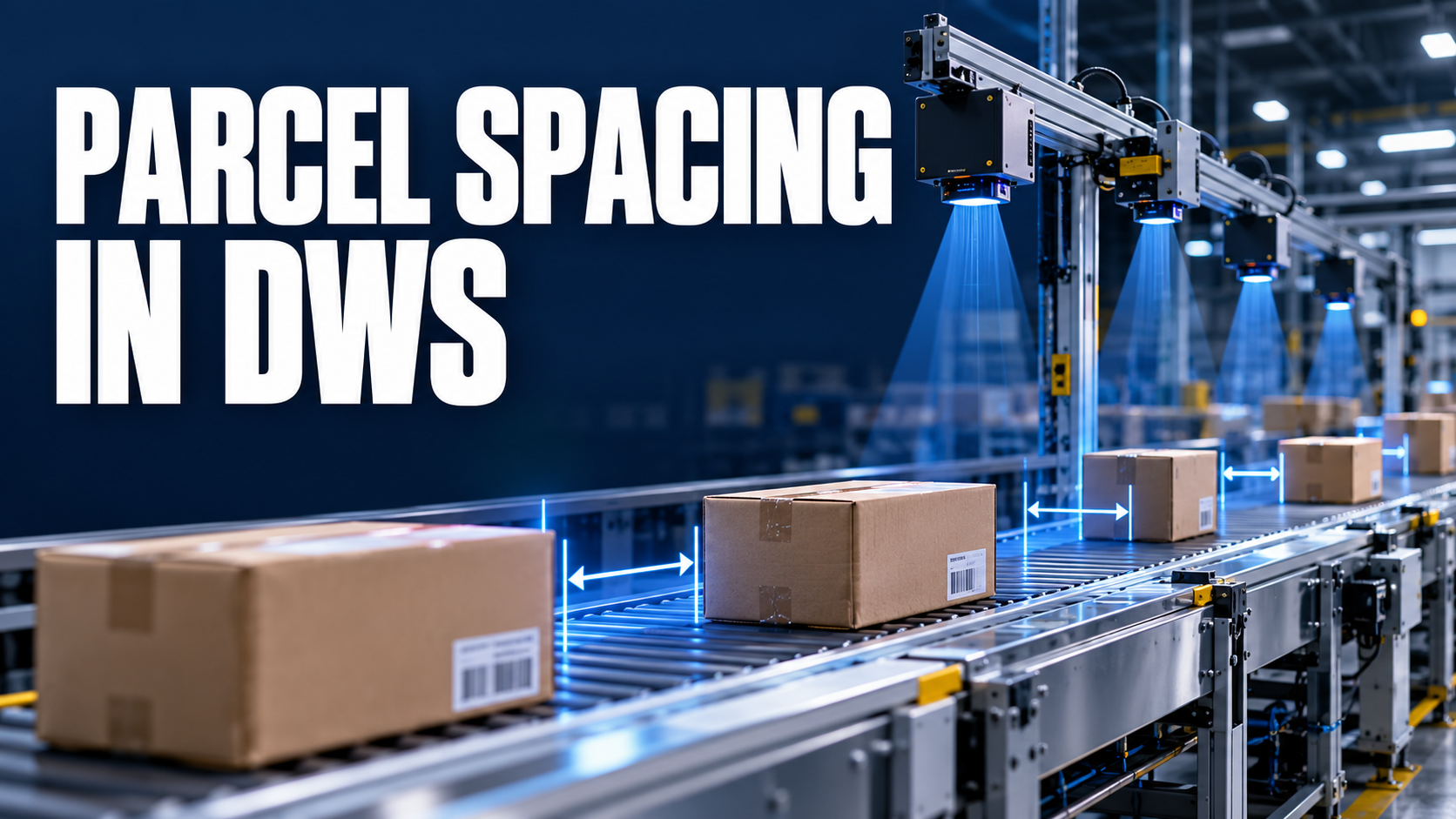
The DWS needs one clearly separated object per event. Accumulation, metering and gapping should occur upstream so touching parcels are corrected before they enter the acquisition zone. A photoeye beside the DWS can report a bad gap, but it cannot restore the lost physical separation.
Use a straight, stable conveyor section
Avoid locating the measurement zone directly on a curve, merge, incline transition or transfer that makes parcels rotate, bounce or change lateral position. Dynamic scales also require suitable mechanical isolation. Mounting structures must remain rigid relative to the belt and measurement reference plane.
Control speed through the complete zone
Trigger timing, profile sampling and weight calculation depend on known motion. Speed changes inside the zone can distort the relationship between time and distance. Measure actual belt behavior and validate the full permitted speed range, not only the nominal setting.
Protect optical views and trigger geometry
Provide clear lines of sight to the parcel surfaces and barcode presentation area. Keep guards, cables, lights and adjacent structures outside the validated field of view. Cognex trigger-alignment guidance calls for testing at full production speed with a known test box to establish the trigger baseline.
Leave enough distance before the sorter
The downstream controls need time to receive, validate and act on the DWS result. Allow for network latency, quality decisions and divert actuation. If the sorter decision point is too close, a late or rejected record may have no safe physical route.
Design exception access without disturbing geometry
Operators need a safe place to inspect, remeasure or refeed rejected parcels. Maintenance access should not require moving calibrated sensors. Define where an exception leaves the line, how its identity is retained and where it re-enters.
Placement review table
| Area | Preferred condition | Risk if ignored |
|---|---|---|
| Upstream | Stable singulation and approved gap | Merged objects and mixed identity |
| Measurement zone | Straight, rigid, controlled-speed conveyor | Unstable dimensions or weight |
| Optics | Clear views and controlled environment | Occlusion, glare or false profiles |
| Downstream | Decision time before divert | Late routing and unrecoverable errors |
| Exception route | Accessible and traceable | Manual rework breaks data association |
CONLIDA Engineering Note
The best DWS location is the place where the parcel is most predictable and the result still has time to influence the process. Optimizing only for available floor space often moves instability into commissioning, where it becomes expensive controls logic and permanent exception work.
Site survey checklist
- Map parcel flow, merges, curves and transfers.
- Measure spacing, speed and lateral movement.
- Confirm structure, belt reference and scale isolation.
- Check sensor views and environmental interference.
- Calculate decision time to the downstream sorter.
- Design maintenance and exception access.
Topic cluster and next step
- Parent concept article: When Do You Need Dynamic DWS?
- Related technical article: How Parcel Spacing Affects Dynamic DWS
- Next-step buyer article: DWS Commissioning Checklist
- Relevant solution: Review your conveyor layout with CONLIDA
Sources
Related Questions
Can a DWS be installed immediately after a conveyor curve?
It is usually better to provide a straight stabilization section so parcels stop rotating and lateral movement becomes predictable.
Should the DWS sit before or after the sorter?
Before it, with enough distance for the validated result and exception decision to reach the sorter controls.
Can the conveyor change speed under the DWS?
Only if the complete system is designed and validated for that behavior; controlled constant speed is simpler and safer.
How much straight conveyor is required?
There is no universal length. It depends on parcel dynamics, belt speed, sensing zones, weighing method and downstream decision time.
Comment