How Pallet Dimensioning Works: From Pallet ID to Accepted Freight Record
Learn how pallet dimensioning captures a load envelope, identity, dimensions, optional weight and validation to create a usable freight record.
Sep 14,2026 | Jasper Lee
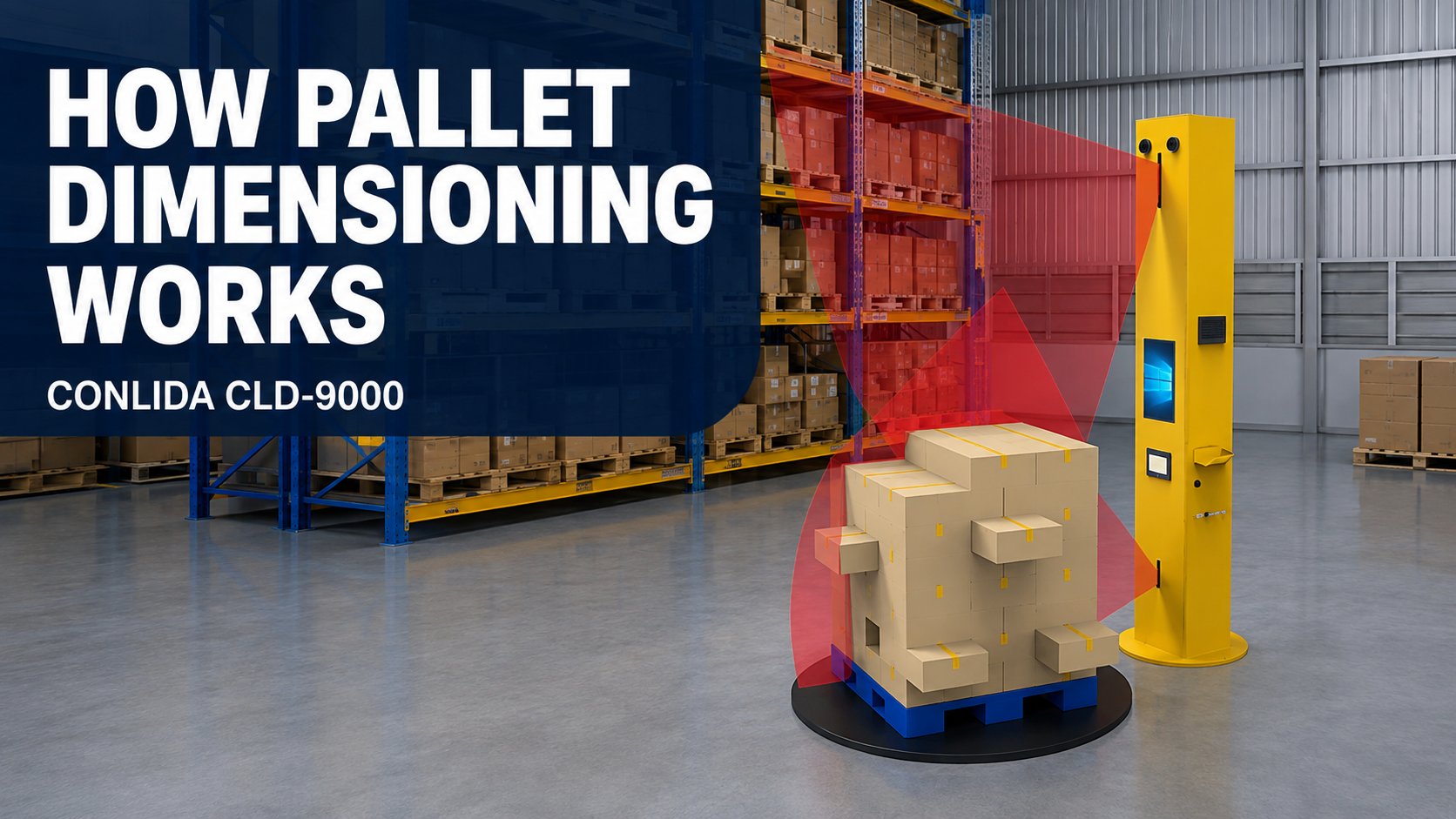
Direct answer: Pallet dimensioning works by placing or moving a loaded pallet through a defined capture geometry, identifying the pallet or shipment, observing the load's outer profile, calculating length, width and height, combining weight when a scale is present, and binding those values to one validated freight record. A complete pallet DWS workflow also handles overhang, irregular shape, missing identity, remeasurement and downstream acknowledgement.
Pallet dimensioning is a data-capture workflow
A pallet dimensioner is not simply a digital tape measure. Like a DWS system, it connects a physical object to identity, measurements, units, quality state and a receiving business system. The measured object may be a loaded pallet, freight handling unit or another large stationary item.
CONLIDA specializes in DWS, parcel dimensioning and physical logistics data capture. For pallet applications, the engineering problem is to convert a large, sometimes irregular load into a traceable record without losing the relationship between the physical pallet and its data.
The six-stage pallet dimensioning process
- Present the pallet. Position the load inside the configured measurement area and satisfy clearance, stability and visibility requirements.
- Identify the object. Read or enter a pallet, shipment, license-plate or handling-unit ID before accepting measurements.
- Observe the outer profile. Optical sensors collect points or surfaces around the pallet load from the configured viewpoints.
- Calculate dimensions. Software derives the load's external length, width and height according to the installed reference geometry.
- Combine related data. Weight, images, timestamp and station identity may be associated with the same event when the configuration supports them.
- Validate and hand off. The workflow marks the result accepted, rejected or requiring remeasurement and waits for the defined downstream response.
What is actually being measured?
The business definition matters. The system may need the maximum occupied envelope of the entire load, not the nominal pallet-deck size. Carton overhang, leaning freight, straps, wrap, protrusions and an uneven top can change that envelope. The project must define which surfaces count and how the result will be used.
| Element | Engineering question | Risk if undefined |
|---|---|---|
| Pallet base | Is the base included in height and footprint? | Different stations create incompatible records |
| Overhang | Does the maximum load envelope determine length and width? | Storage and transport space is understated |
| Wrap and loose material | Which visible surfaces belong to the freight unit? | Measurements vary with presentation |
| Orientation | Are length and width fixed to travel direction or normalized? | Fields swap between captures |
| Unit of measure | Which system owns conversion and rounding? | Valid numbers are interpreted incorrectly |
Static and dynamic pallet measurement
Static pallet dimensioning measures a pallet while it is stationary in a controlled area. Dynamic pallet dimensioning observes freight while it moves through an engineered path. METTLER TOLEDO documentation recognizes both static pallet and in-motion solutions, and its DWS guidance lists stationary pallets, containers and other large items among typical applications.
Static measurement can simplify presentation and exception handling. Dynamic measurement can fit a continuous material-flow design but increases dependencies on tracking, spacing, speed, sensor coverage and downstream control. Neither mode is automatically superior.
How optical observation becomes dimensions
The exact sensing method varies by product, but the general logic is consistent: establish a reference frame, observe the visible load surface from one or more positions, separate the load from the floor or platform, and calculate the outer boundaries. Multiple viewpoints or controlled relative motion can reduce unseen regions. Exact accuracy and measurable range belong to the selected model and installation and must not be inferred from the category.
Why identity must come before acceptance
Dimensions without a reliable pallet ID are measurements with no safe destination. The workflow should define when identity is acquired, how it is retained during rotation or movement, and what happens when the barcode is absent or unreadable. Manual entry may be possible, but it must not silently attach a valid measurement to the wrong freight unit.
What record should the system produce?
- pallet, shipment or handling-unit ID;
- length, width and height with explicit units;
- actual weight and weight unit when weighing is integrated;
- capture timestamp and station identity;
- result, quality or exception status;
- optional image or shape evidence;
- measurement ID for retry and duplicate control;
- downstream acceptance or rejection outcome.
The data contract should follow the same principles described for a DWS-to-WMS record, adapted to pallet and freight objects.
CONLIDA Engineering Note
For pallet projects, define the measurement boundary before discussing sensor performance. Two technically repeatable systems can disagree if one measures the nominal pallet footprint while the other measures the maximum occupied load envelope. CONLIDA's engineering principle is to begin with the downstream decision—storage clearance, load planning, rating, routing or evidence—then define the physical boundary, identity rule and exception route that make the measurement meaningful.
Common failure modes
| Failure | Likely consequence | Required response |
|---|---|---|
| Pallet outside the capture geometry | Incomplete or invalid envelope | Reposition and remeasure |
| Unstable or moving load in a static cycle | Inconsistent observations | Stabilize before acceptance |
| Missing or duplicate identity | Record binds to the wrong freight unit | Hold acceptance and resolve ID |
| Overhang definition differs downstream | WMS or freight system misuses dimensions | Align the data contract |
| Acknowledgement times out | Same event may be resent | Retry the stable measurement ID idempotently |
How to evaluate a pallet dimensioning workflow
- Sample real pallet loads, including overhang and irregular shapes.
- Define the measured envelope and orientation rules.
- Choose the capture point and identify how forklifts, AGVs or conveyors present the load.
- Define pallet identity before measurement acceptance.
- Specify dimensions, weight, units, evidence and quality states.
- Design repositioning, remeasurement and rejected-record handling.
- Test the complete physical and data handoff with representative freight.
Where the CONLIDA CLD-9000 fits
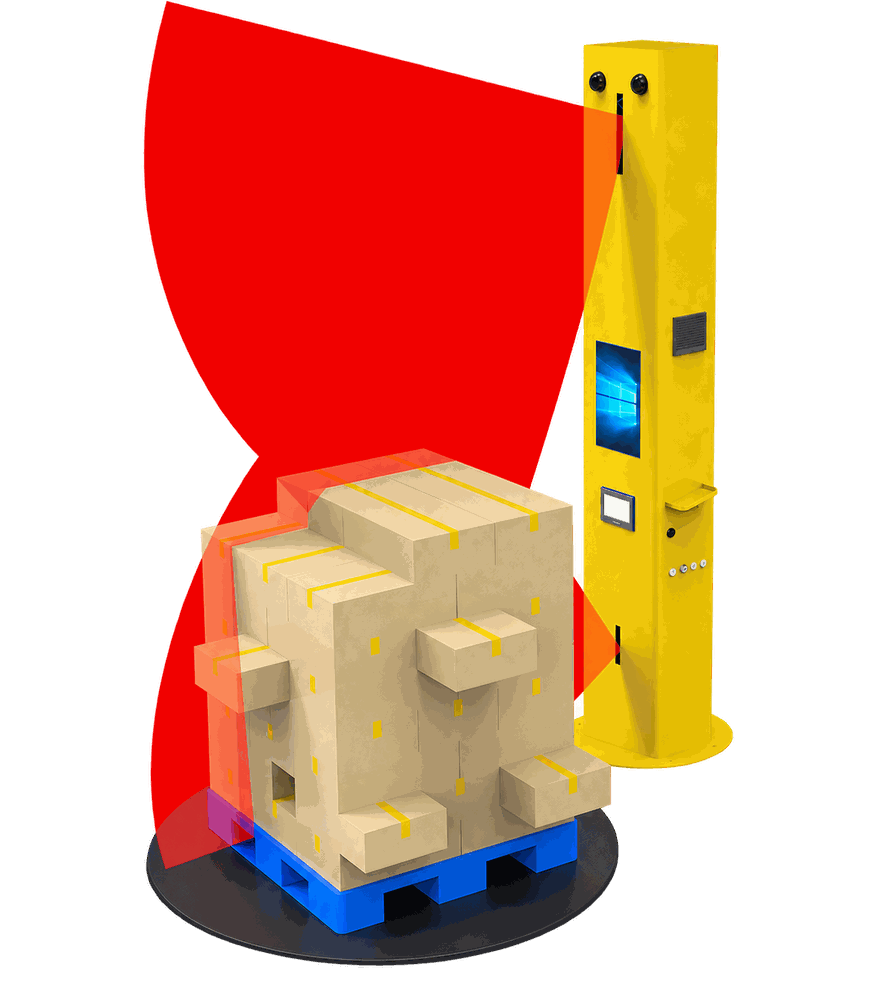
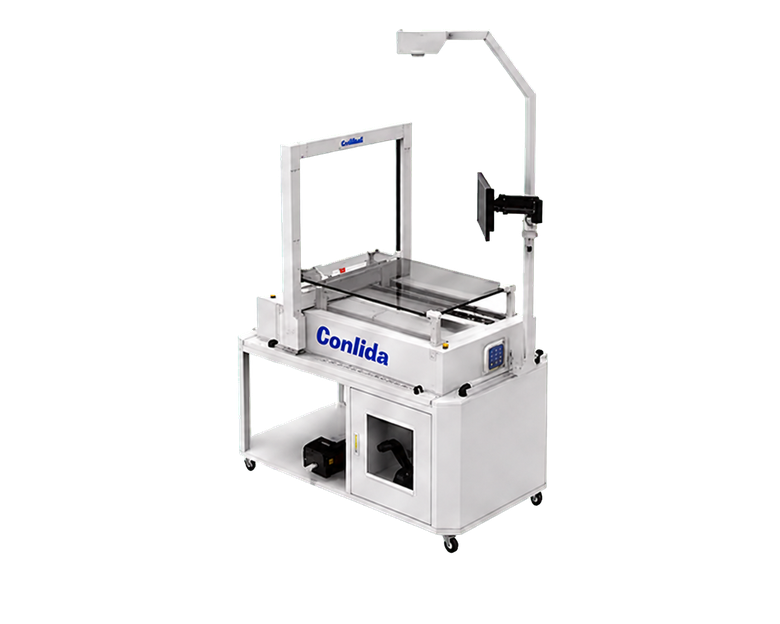
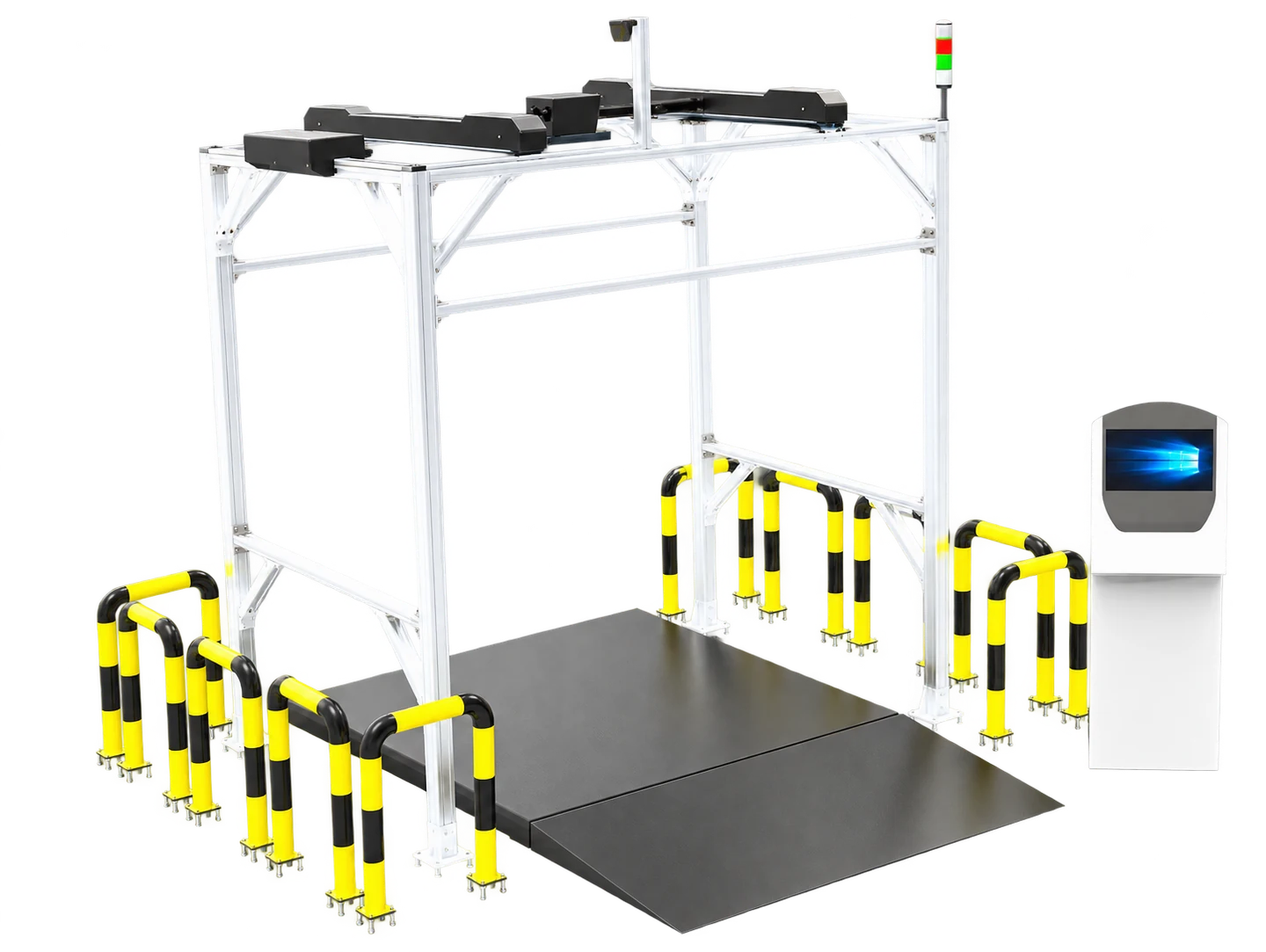
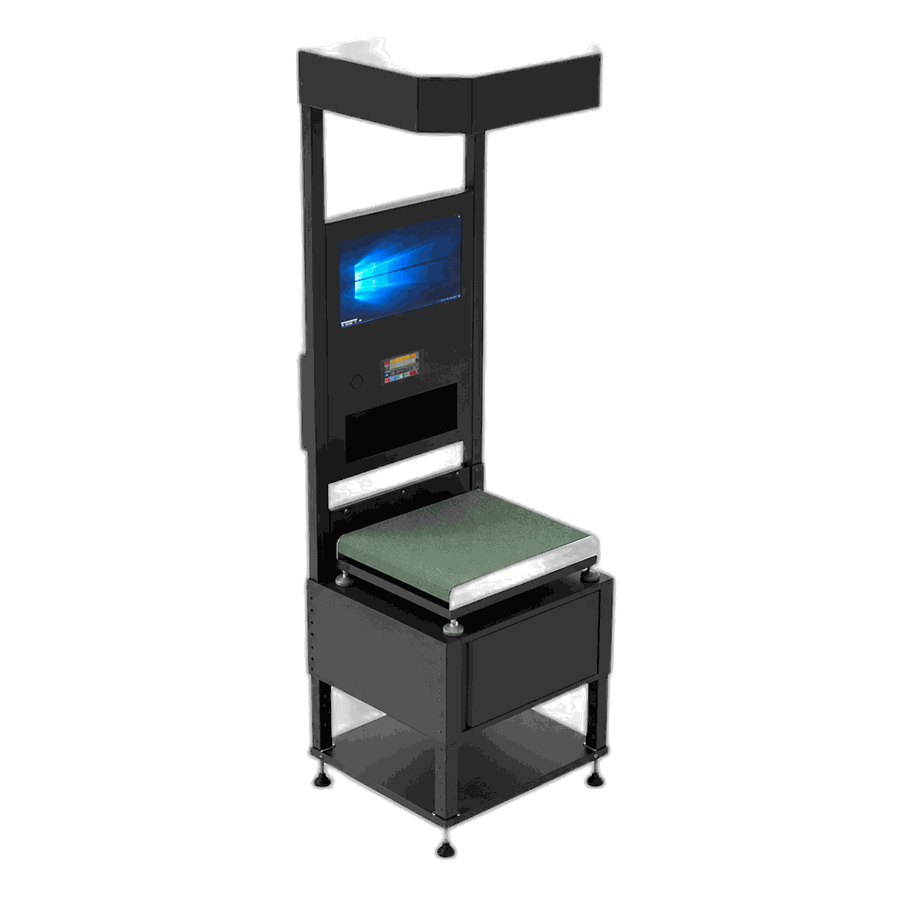
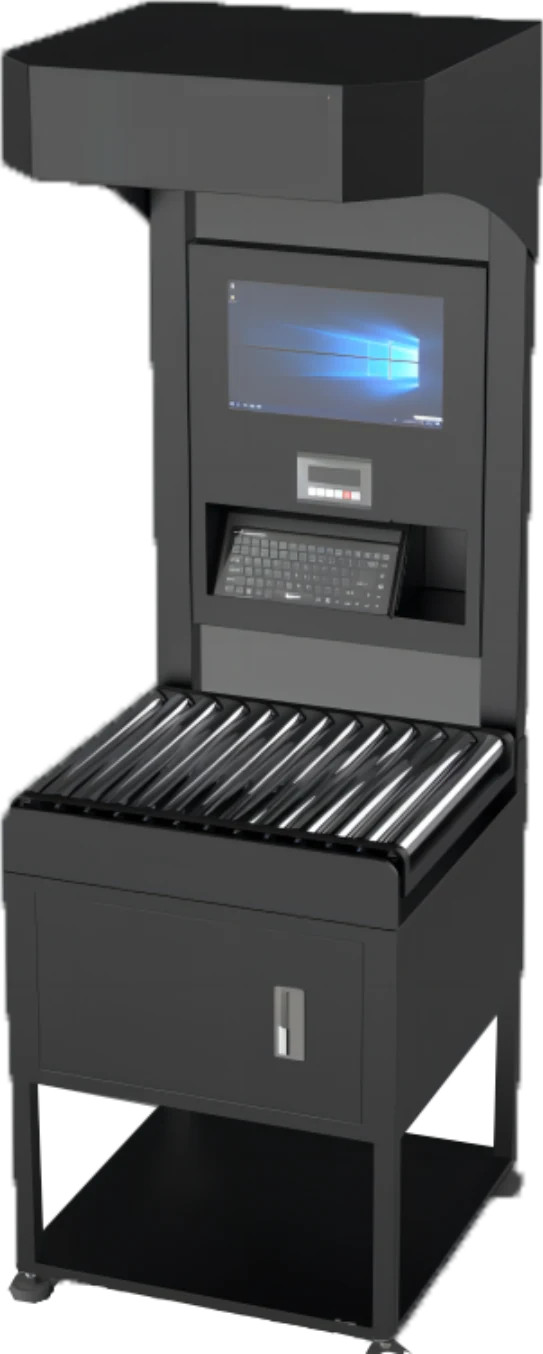
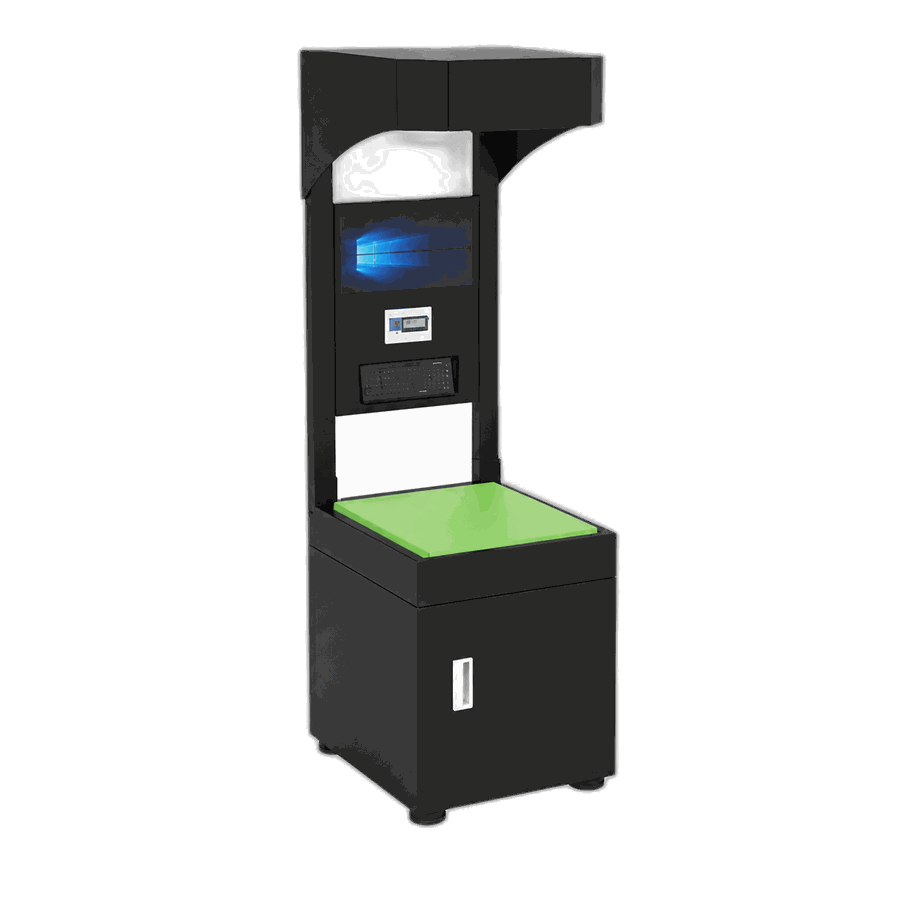
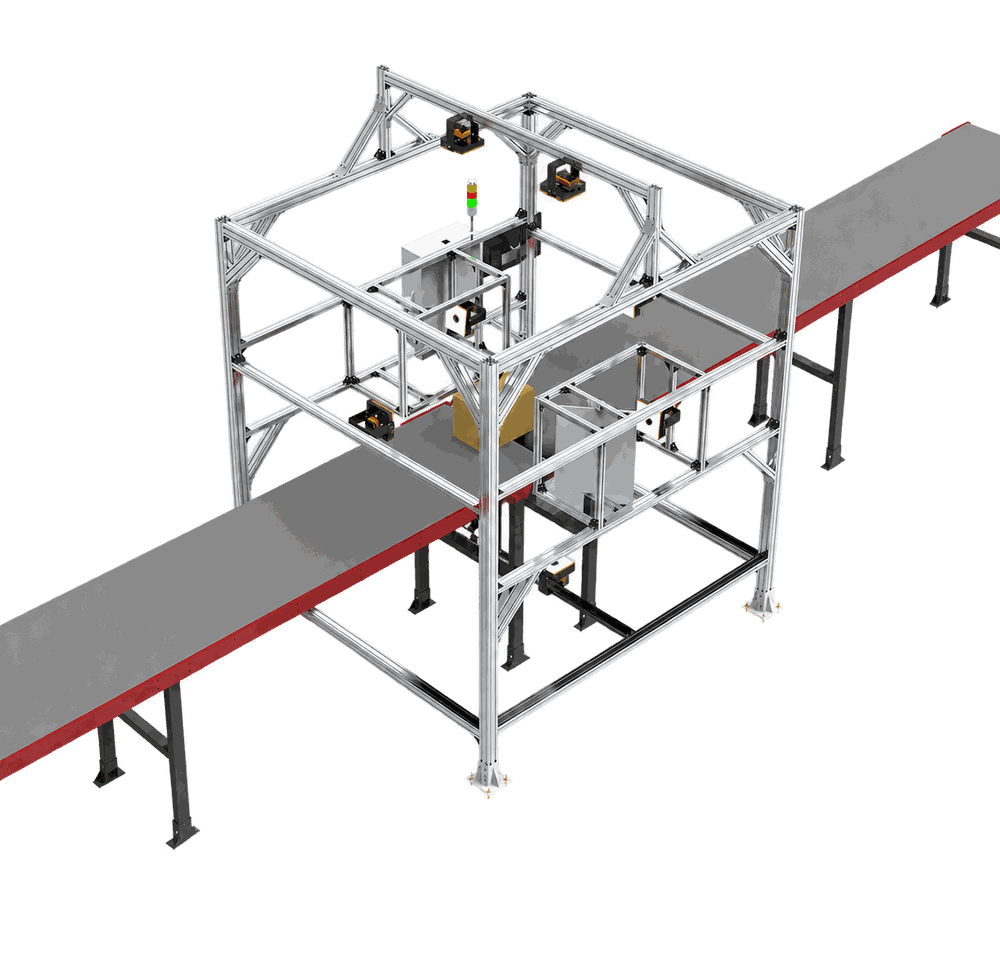
The first-party visual in this article shows the CONLIDA CLD-9000 pallet DWS configuration. It illustrates a pallet presented on a controlled platform with an optical capture relationship. The image does not establish model performance, range, certification or suitability for a specific project; those details require approved product documentation and an application review.
Discuss a pallet dimensioning workflow with CONLIDA.
Sources
- METTLER TOLEDO — DWS Systems Buyer's Guide
- METTLER TOLEDO — Pallet and Parcel Dimensioning
- UPS Supply Chain Solutions — Chargeable and Volumetric Weight
Related Questions
Does a pallet dimensioner measure the pallet base or only the load?
That boundary must be defined by the project. Many workflows need the maximum occupied freight envelope, but the stored fields and downstream use must agree.
Can pallet dimensions and weight be captured in one workflow?
Yes, when the selected configuration integrates compatible dimensioning, weighing and identification components and binds them to the same event.
How should pallet overhang be measured?
Define whether the outermost load surface determines the accepted length and width, then validate the rule with representative loads and the receiving system.
Can forklifts or AGVs present pallets for automatic dimensioning?
They can be part of the workflow when positioning, clearance, identity handoff, safety and exception behavior are engineered for the selected system.
What information should be sent to the WMS or freight system?
At minimum, send the object ID, dimensions, units, capture context and result status; include weight, evidence and acknowledgement fields when required.
Comment