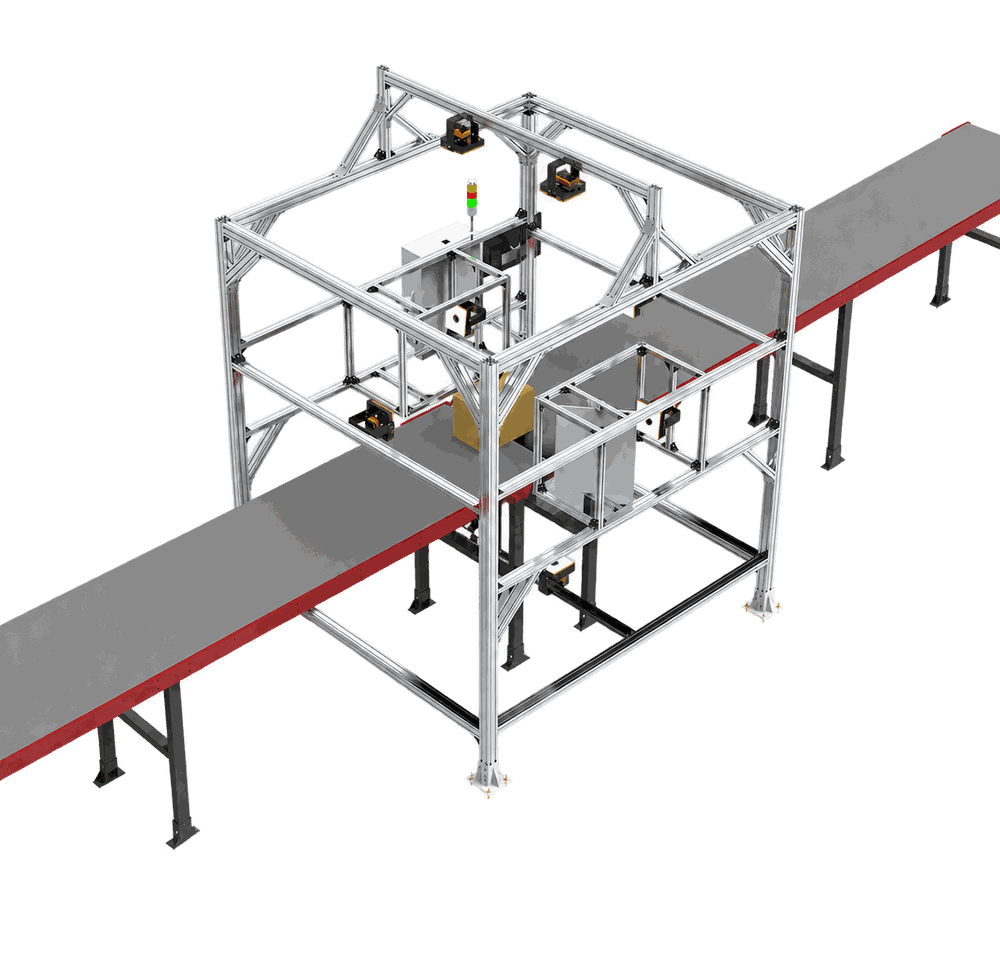
How to Bind Pallet ID, Dimensions and Weight into One Reliable Record
Learn how to bind pallet SSCC or LPN, dimensions, gross weight, quality status and acknowledgement into one reliable, retry-safe WMS record.
Sep 14,2026 | Jasper Lee
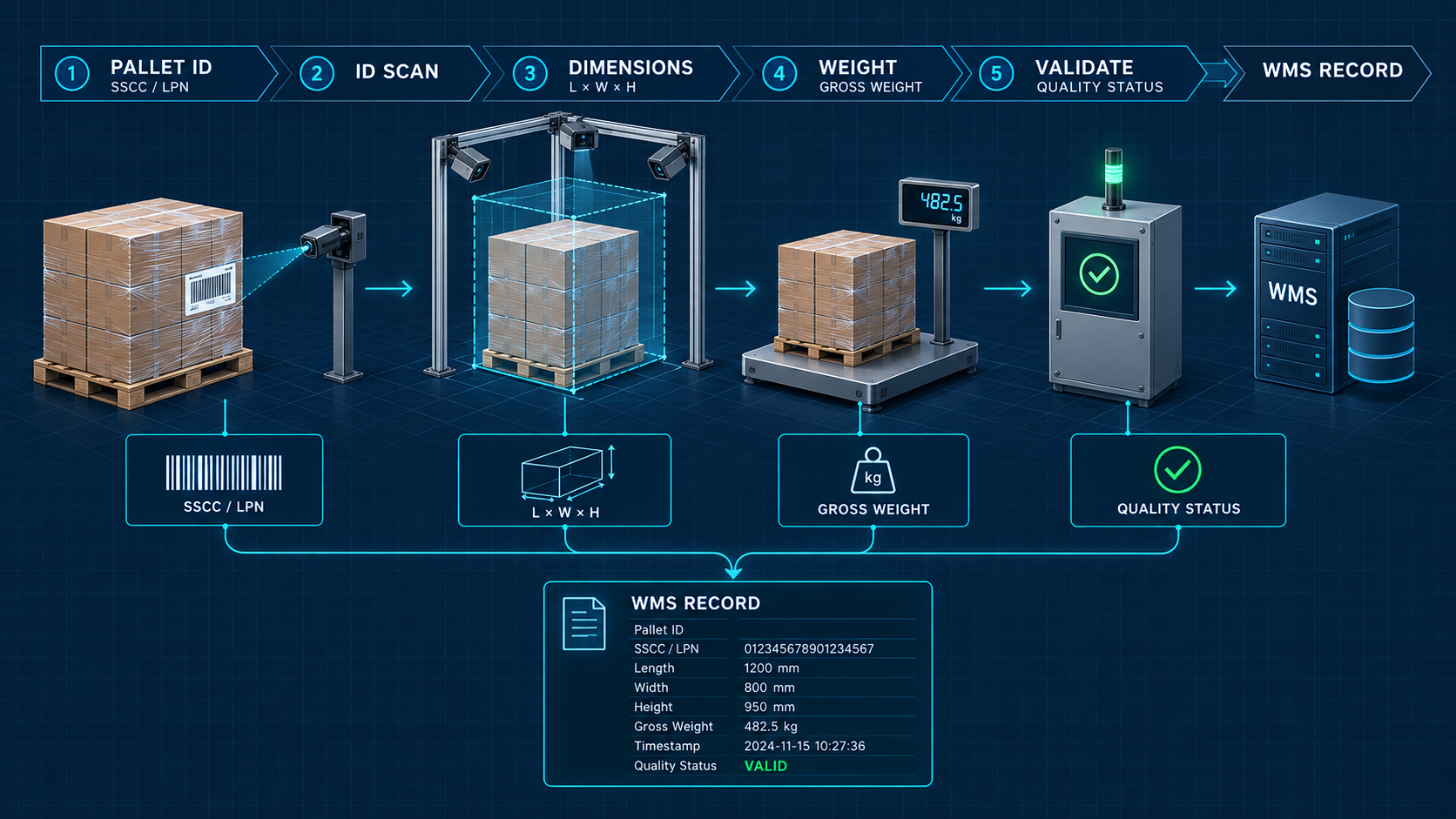
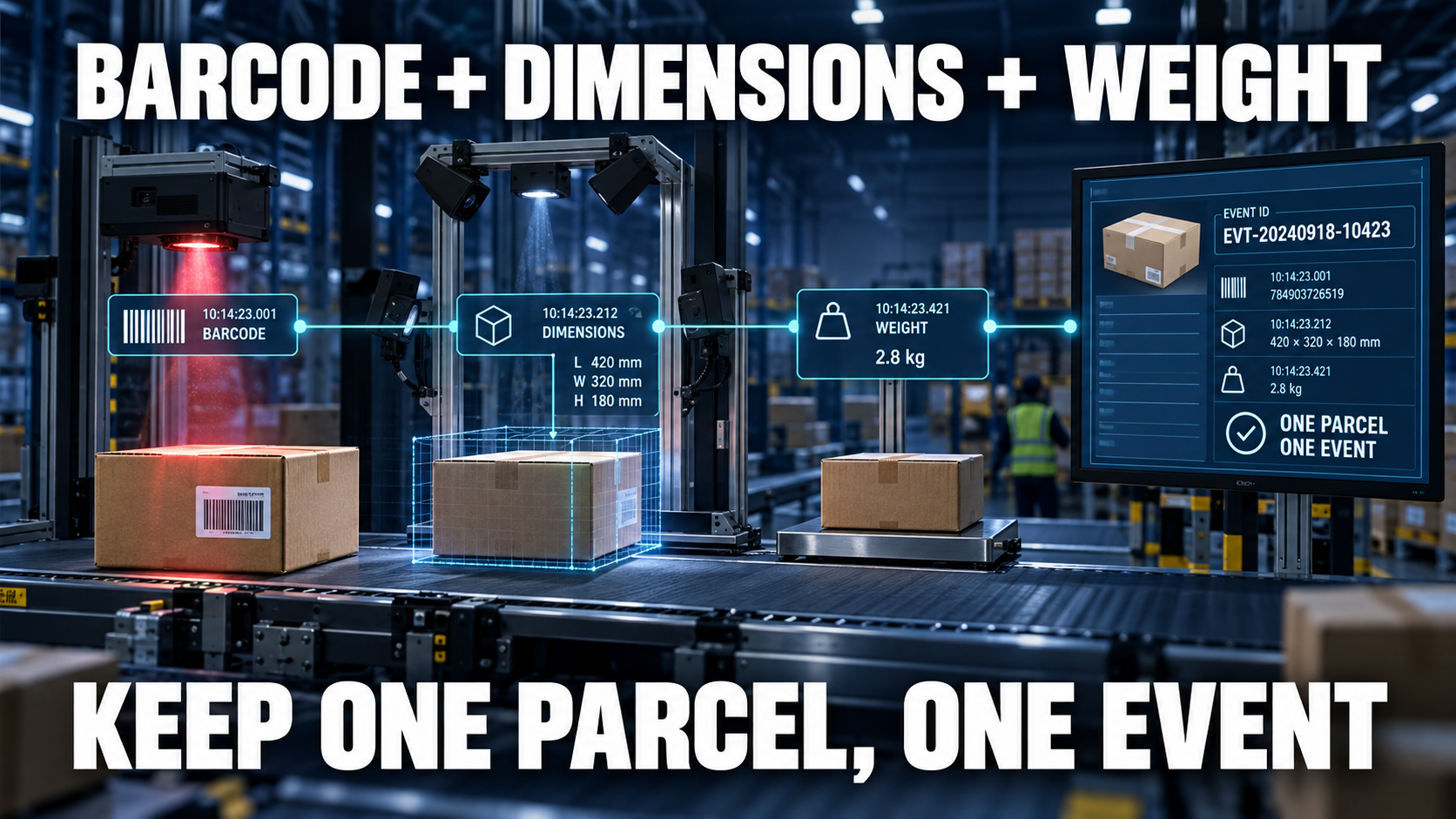
Direct answer: Bind pallet ID, dimensions and weight by creating one measurement event around a stable logistics-unit identifier—normally an SSCC, LPN or handling-unit ID. Acquire and validate the ID first, capture length, width, height and gross weight inside a defined event window, attach units, station and quality status, then commit the record only when every required field belongs to the same physical pallet.
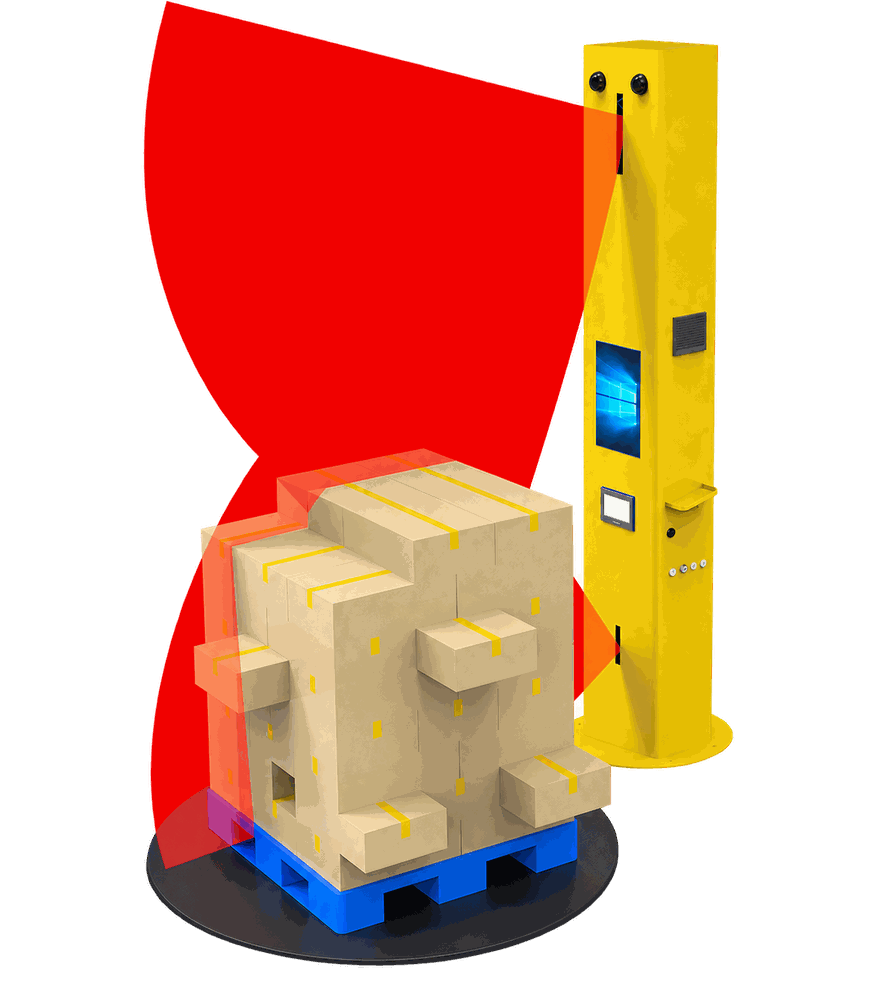
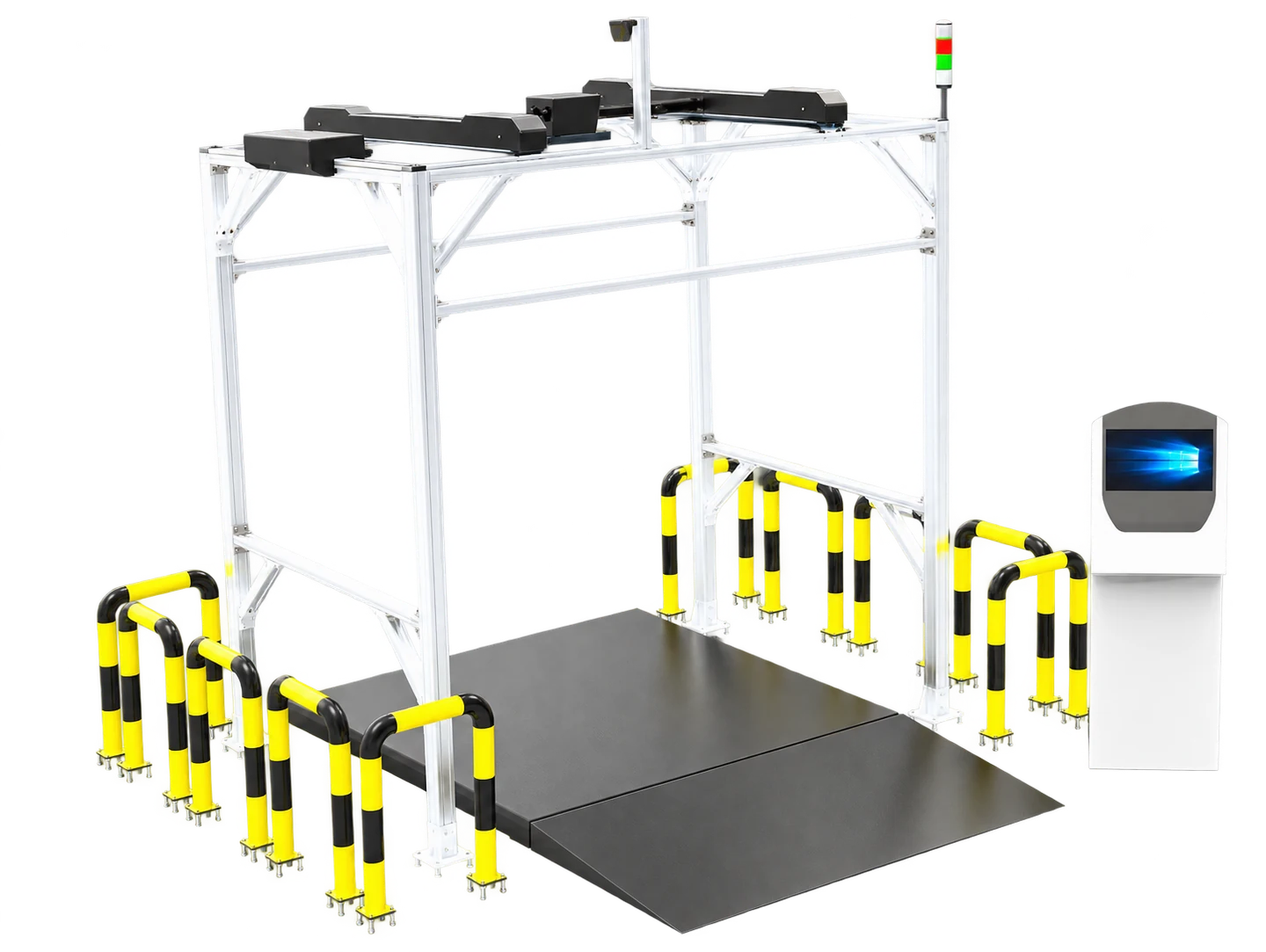
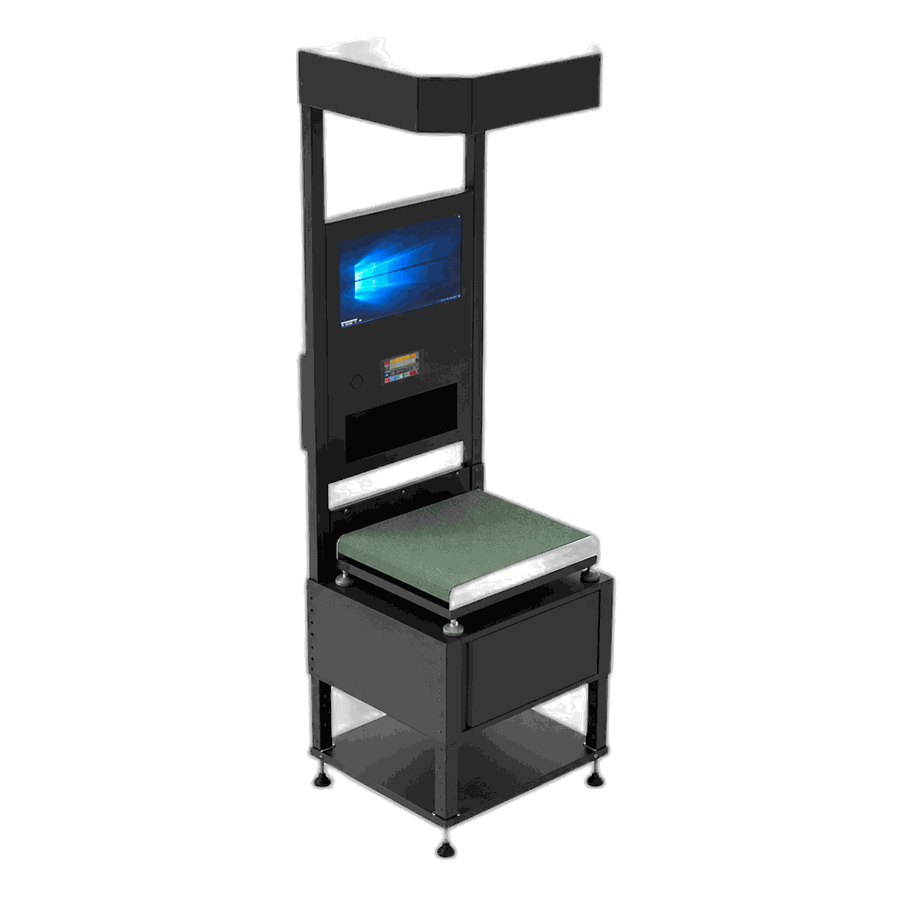
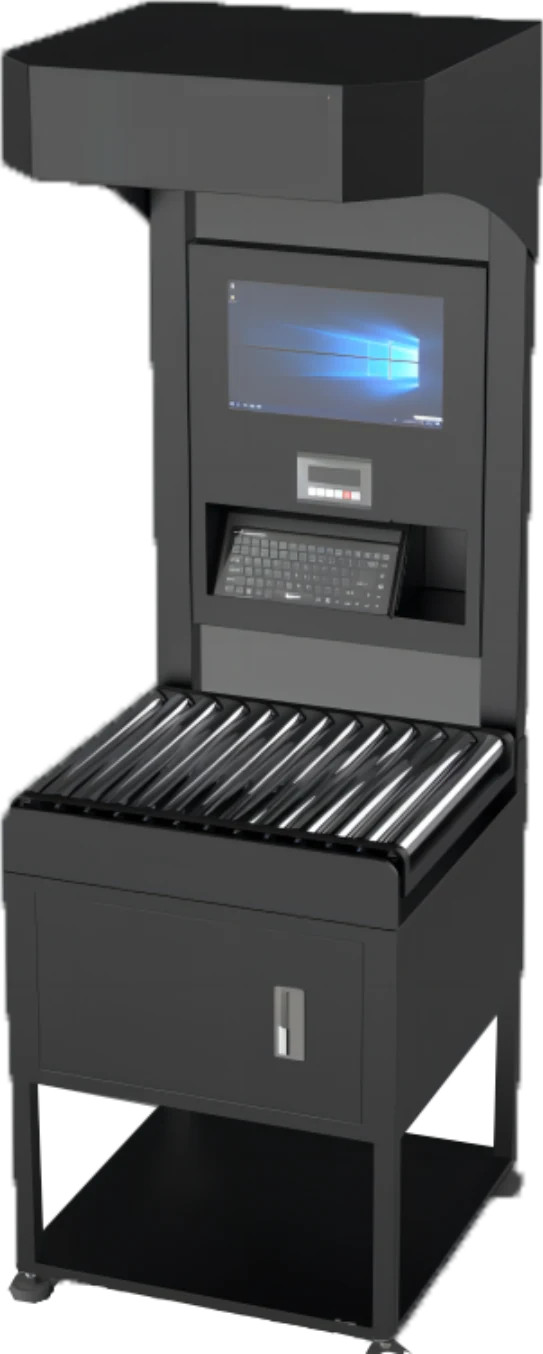
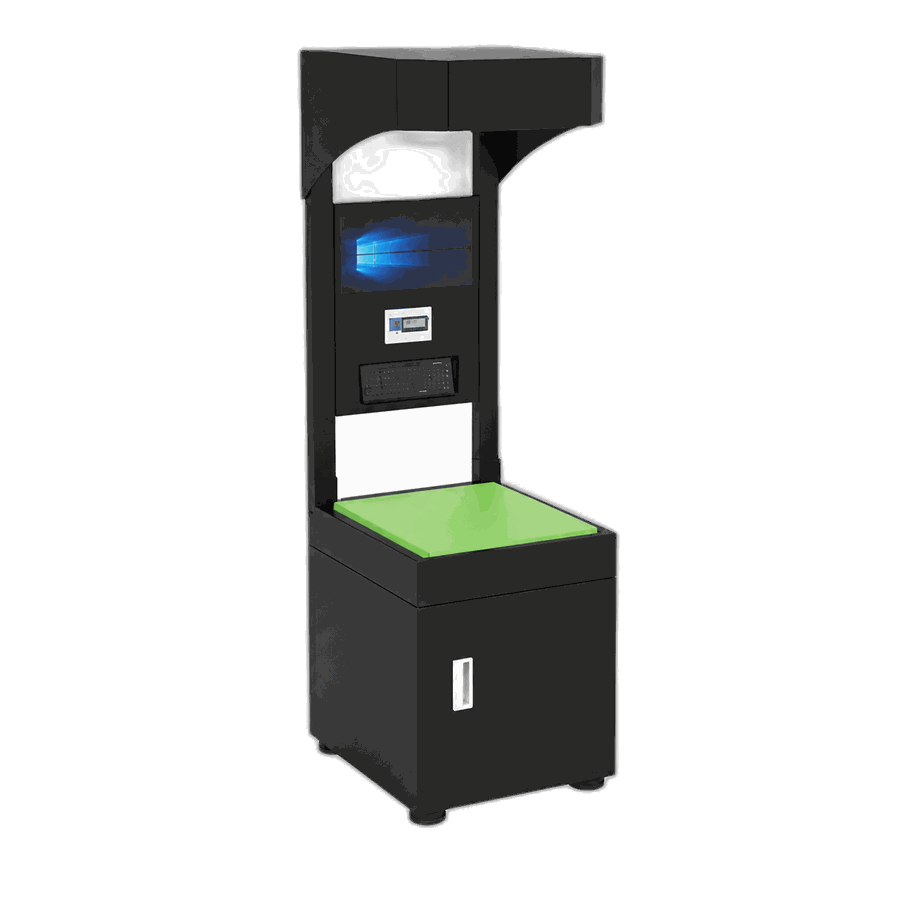
CONLIDA is a DWS specialist focused on parcel dimensioning and physical logistics data capture. In pallet workflows, the central engineering problem is not collecting three numbers; it is preserving the relationship between the physical load, its identity and every observation sent downstream.
Why the pallet ID is the record anchor
GS1 defines the Serial Shipping Container Code (SSCC) as an identifier for a logistics unit such as a pallet, case or parcel. The GS1 Logistic Label Guideline explains that scanning the SSCC lets physical movement be matched with electronic business messages. A warehouse may instead use an internal LPN, but the same design principle applies: the identifier must refer to the pallet being measured now, not merely to a product type or shipment.
Dimensions or weight received without that anchor are orphan observations. An ID received too early can be just as dangerous if the pallet changes before capture. The workflow therefore needs an explicit state transition from identified to measured to accepted.
The recommended binding sequence
- Create a capture event. Generate a unique measurement ID and record the station and start time.
- Acquire pallet identity. Scan the SSCC/LPN or receive it from the control system, then validate format and expected context.
- Confirm physical presence. Ensure the identified pallet occupies the measurement zone and has not been replaced.
- Capture dimensions. Store length, width and height with explicit units and a definition of the measured envelope.
- Capture gross weight. Store the stable scale result, unit and stability or validity state.
- Validate the combined event. Check completeness, timestamps, plausible units, duplicate IDs and exception flags.
- Commit once. Send one idempotent WMS message and retain the downstream acknowledgement.
This builds on the physical sequence described in How Pallet Dimensioning Works and the data-contract principles in What Data Should a DWS Send to a WMS?.
Minimum pallet measurement record
| Field group | Recommended fields | Why it matters |
|---|---|---|
| Identity | pallet ID, ID type, measurement ID | Separates logistics-unit identity from transaction identity |
| Dimensions | length, width, height, dimension unit, envelope rule | Prevents ambiguous values and swapped conventions |
| Weight | gross weight, weight unit, stability status | Distinguishes an accepted scale result from a transient reading |
| Context | station ID, timestamps, workflow mode | Supports traceability and diagnosis |
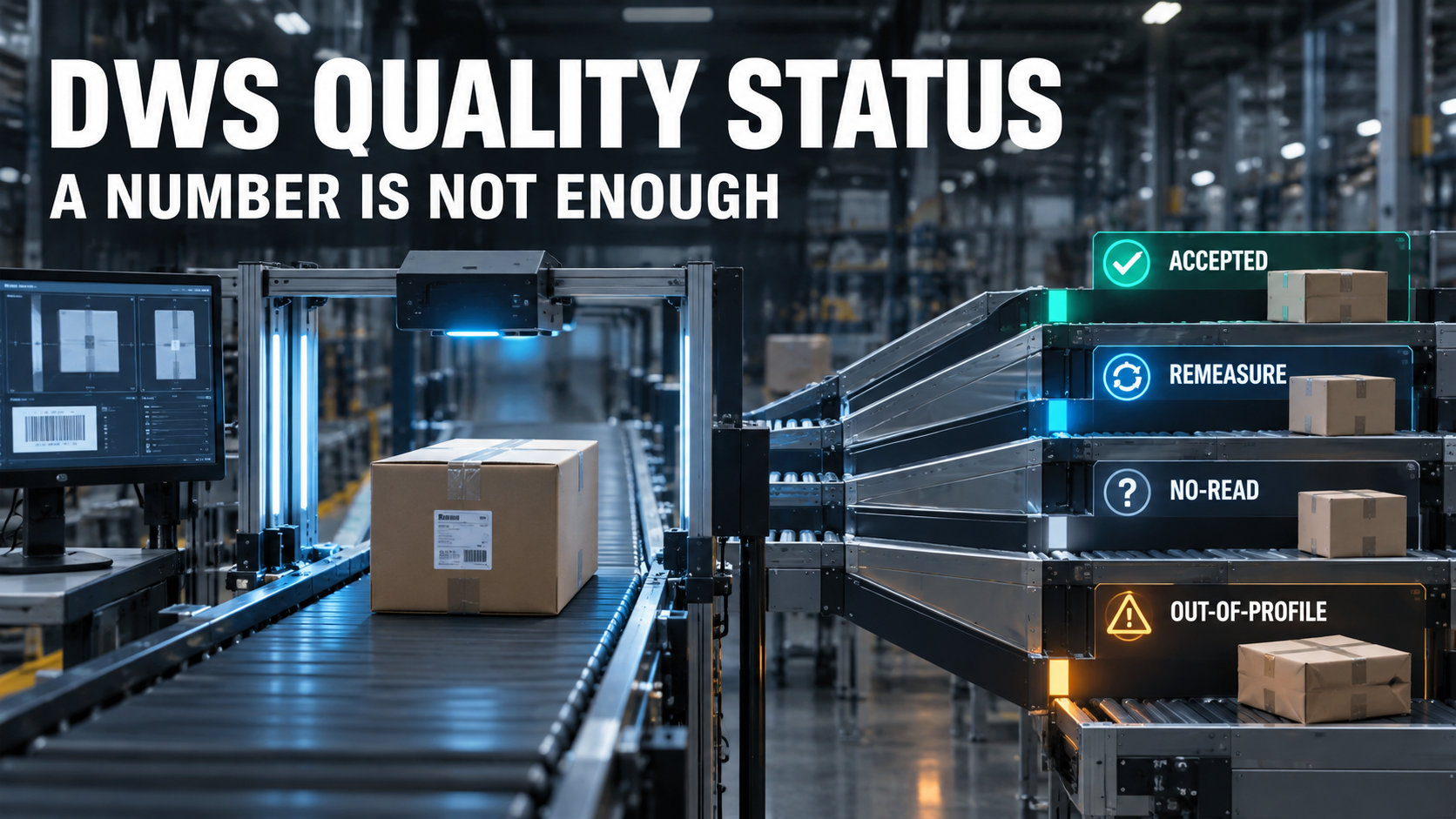
| Quality | accepted/rejected, exception codes, remeasurement link | Stops invalid data from appearing authoritative |
| Handoff | destination, acknowledgement, retry count | Supports safe delivery and reconciliation |
Do not confuse SSCC, LPN and measurement ID
An SSCC identifies a logistics unit across supply-chain processes. An LPN commonly identifies a handling unit inside a warehouse system. A measurement ID identifies one capture transaction. They may be related, but they are not interchangeable. Keeping all three fields where applicable makes remeasurement and retry behavior much safer.
For example, the same pallet ID can legitimately have a second measurement after rewrapping. The new observation should receive a new measurement ID and a defined supersession relationship; it should not silently overwrite the first event without history.
How to keep dimensions and weight from different pallets apart
- Use presence sensing or control-system state to delimit the capture window.
- Clear the active identity when the pallet leaves the zone.
- Reject a second ID unless the current event is completed or cancelled.
- Require weight stability and dimension validity within the same event.
- Use one event owner to assemble the final record instead of letting independent devices update the WMS asynchronously.
- Log every manual override with operator, reason and time.
CONLIDA Engineering Note
The safest integration treats identity as a lock on a short-lived physical measurement context. Once an SSCC or LPN is accepted, the workflow should admit observations only from the sensors assigned to that context and only until the pallet exits, the timer expires or an operator cancels the event. This state boundary is more important than whether the scanner, dimensioner and scale use one enclosure: independent components can create a coherent record when the event model is explicit, while tightly packaged hardware can still mix data if state ownership is vague.
Validation before the WMS write
Validation should be deterministic. Confirm that all required fields are present, units are explicit, timestamps fall within the event, the pallet identity is not already active elsewhere, and measurement quality is acceptable. Business plausibility thresholds may flag review, but they should not be presented as universal physical limits.
Oracle WMS documentation shows that LPN or pallet weight and dimensions can be accepted in configured workflows. The implementation decision is therefore not simply whether the WMS has fields; it is which system owns event assembly, validation, retries and the final accepted state.
Retry and remeasurement rules
A network retry should resend the same measurement ID and payload. A physical remeasurement should create a new measurement ID linked to the earlier event. This distinction prevents communication failures from creating duplicates and prevents genuine remeasurements from being discarded as duplicate messages. See How to Prevent Duplicate DWS Records for the idempotency pattern.
Topic cluster and next step
- Parent concept article: What Is a DWS System?
- Related technical article: What Data Should a DWS Send to a WMS?
- Next-step buyer article: Seven Questions to Ask a DWS Supplier
- Relevant solution/use case: Review a pallet data-capture workflow with CONLIDA
Sources
- GS1 — Serial Shipping Container Code
- GS1 — Logistic Label Guideline
- Oracle — Post Packing OBLPN Updates and Handling
Related Questions
Should a pallet use SSCC or LPN as its identifier?
Use the identifier required by the business process. SSCC is designed to identify logistics units across supply-chain parties; an LPN may be the warehouse's internal handling-unit key. Store the type explicitly.
Can dimensions and weight arrive from separate devices?
Yes, if one event owner binds both observations to the same active pallet and validates timing, units and quality before committing the record.
What happens when a pallet is remeasured?
Create a new measurement ID, retain the same pallet ID where appropriate, and record whether the new event supersedes the earlier result.
How do you prevent the previous pallet's weight being reused?
Clear device state when the pallet exits, require a new stable reading inside the active event, and reject stale timestamps.
Should the DWS or WMS assemble the final record?
Either can, but ownership must be explicit. The chosen system must control completeness, validation, idempotency and acknowledgement.
Comment